Trump orders Army to pause Iowa lead azide detonation pending court and governor approval
Trump orders military to pause Iowa lead detonation, puts desion on incoming governor
newsnationnow.com· 1h
Trump threatens to hold Iowa Dem responsible for 'any and all deaths' if Army blast stalls
rawstory.com· 1h
President Donald Trump orders the Army not to detonate bomb-making chemicals in Iowa without court approval
chicagotribune.com· 1h
Trump orders the Army not to detonate bomb-making chemicals in Iowa without court approval
apnews.com· 1h
U.S. Army plans to invoke emergency provisions to detonate bomb-making chemicals in Iowa
pbs.org· 23h
US Army plans to invoke emergency provisions to detonate bomb-making chemicals in Iowa
US Army plans Iowa detonation this week despite court stay over lead plumes
Iowa detonation of lead will proceed under emergency powers, Army says, bypassing court order
reuters.com· 27h
US Army to detonate tonnes of unstable explosives in Iowa despite court order
bbc.com· 28h
Army toxic detonation in Iowa paused amid public outcry, farm disruption
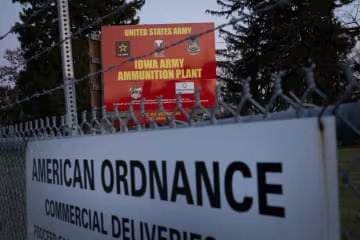
The Army planned to detonate 68 barrels of degraded lead azide stored for more than 20 years at the Iowa Army Ammunition Plant in Middletown, after a routine check found evaporated water had left the material unstable. Farmers hauled hundreds of cattle away at high cost on the advice of the Iowa Department of Agriculture and Land Stewardship, and public outcry pushed the Army to postpone the November 20 blast. The 8th US Circuit Court of Appeals temporarily stayed the EPA permit after the Iowa Environmental Council and the Sierra Club's Iowa chapter sued.
A November 22 filing showed the Army still planned to detonate about five tonnes by November 24 under an emergency munitions exemption despite the order, and had removed the bunker doors. The administration argued federal hazardous waste law does not apply in an explosive emergency, saying dropping temperatures could destabilize the material and cause an uncontrolled explosion. Army modeling had shown a lead plume could blow more than 100 miles into western Illinois, and no updated models were published despite shifted winds. The Illinois Environmental Protection Agency said it had not been notified of the detonation. The Justice Department that day asked the appeals court to lift the pause on the permit.
On November 23 President Donald Trump ordered the military not to detonate the lead azide until the appeals court agrees it can go forward and incoming Governor-elect Rob Sand agrees to it. The Army now plans the blast for Wednesday, November 25, and Trump backed it on Truth Social, arguing a controlled detonation was safer than leaving the material to explode on its own.
The 8th US Circuit Court of Appeals temporarily stayed the EPA permit for the Army's planned detonation of 68 barrels of degraded lead azide near Middletown, Iowa, after the Iowa Environmental Council and the Sierra Club's Iowa chapter sued.
The Army postponed the detonation from November 20 to November 23 after public outcry from residents and farmers near Middletown.
The Iowa Department of Agriculture and Land Stewardship advised cattle farmers near the site to move livestock, feed and equipment, and farmers hauled hundreds of cattle elsewhere at high cost rather than risk their herds.
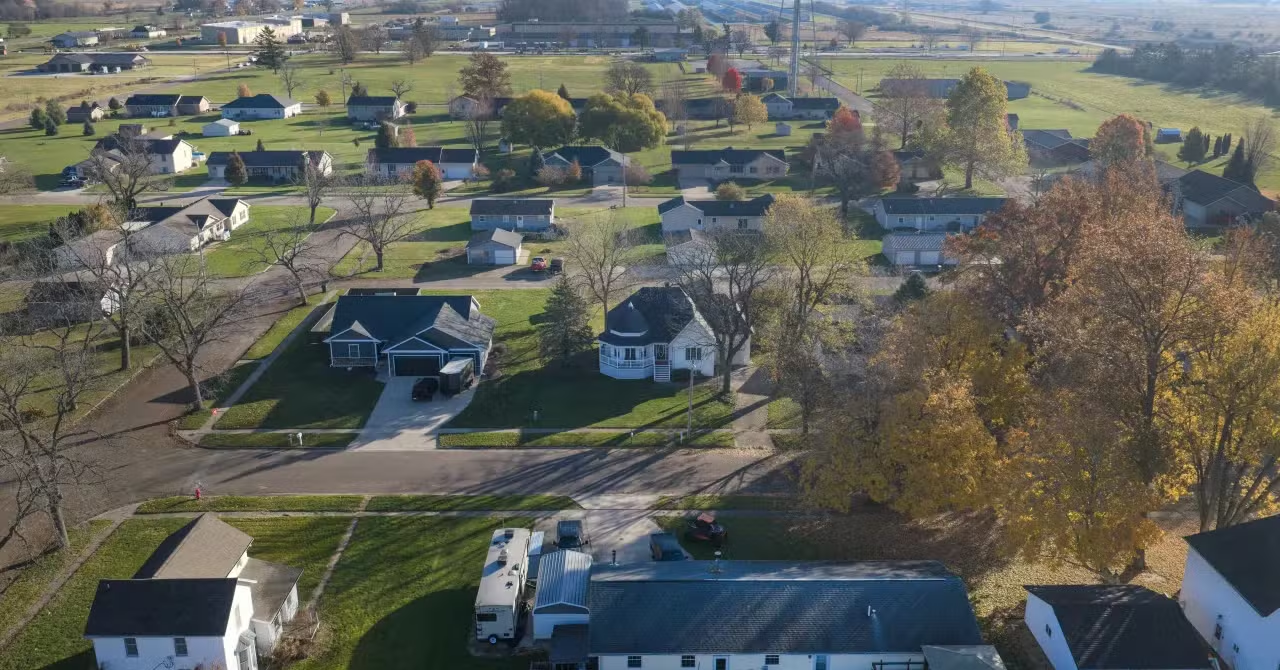
Earthjustice, the environmental law group suing for the groups, said the detonations would release "a toxic plume of lead dust into the air that could travel 100 miles north of the site, depending on weather conditions."
Acting Secretary of the Army Adam Telle said on November 19 that the Army had determined with the EPA that a controlled detonation was the option posing the lowest risk to the public.
Iowa State University beef specialist Patrick Wall said there was no research he could rely on about how a cow ingests lead this way, and that farmers were unwilling to risk their herds with beef at record prices.
A court filing showed the Army planned to go ahead with detonating about five tonnes of degraded lead azide at the Iowa Army Ammunition Plant by November 24 despite the court order, under an emergency exemption.
The Army said in its filing that it had removed the doors to the bunker holding the barrels in preparation for the blast, making the explosives more vulnerable to temperature changes.
The Iowa Environmental Council and the Sierra Club filed a motion on Sunday asking the court to pause proceedings so they could submit additional information, with declarations from environmental experts and local officials citing a lack of public notice.
The Army had earlier warned residents to leave their homes for six hours on the originally scheduled day of the explosion.
The Justice Department said in a Saturday court filing, "To protect its personnel and the surrounding communities, the Army needs to take swift action," and "Protection of human health and the environment demand action now, not delay."
The Department of the Army said in its filing, "There is an immediate risk that the lead azide at the Iowa Army Ammunition Plant will explode as temperatures are expected to drop below 30 degrees Fahrenheit."
An Army advisory warned "all humans" to avoid being outside in affected areas while the detonation took place.
The EPA said the explosion risk "presented an imminent and substantial threat to human health and the environment."
The Iowa Environmental Council said, "There is no safe level of lead exposure, and Iowans were given just days to prepare for the November 20 detonation."
The Trump administration told a federal court that the Army would detonate the 68 barrels by November 24 without a permit, invoking an emergency munitions and explosives exception to federal environmental law to bypass the court order.
Federal officials said the detonation had to go forward within days because dropping temperatures could destabilize the material and cause an uncontrolled explosion.
The Justice Department said in its late November 21 court filing, "The Army must perform a controlled detonation to protect the public from the more significant threat from an uncontrolled explosion, and the Army intends to act by November 24, 2026."
Army computer modeling showed a lead plume could have blown more than 100 miles into western Illinois on the originally scheduled date of November 20.
As of Sunday afternoon, November 22, the Army had not published updated plume models and maps for the new detonation date, and the Iowa Environmental Council said wind patterns had shifted significantly, likely changing potential community exposures.
The Illinois Environmental Protection Agency requested updated plume modeling and said it had not been notified of the detonation by its federal counterpart.
Army documents showed the Army had consulted the EPA for months about the detonation plans, but the public was not notified until shortly before the planned blast.
The Justice Department said it intended to act consistent with the terms of the emergency permit even if the permit was not in effect.
Army officials said in documents that destroying the lead azide in place was the only responsible option and would restore vital military-industrial readiness.
Illinois Department of Public Health director Sameer Vohra said there is no safe level of lead in the body and that lead can pose serious health risks when inhaled or swallowed.
Iowa Environmental Council general counsel Michael Schmidt said the Justice Department's new information indicated the problem was significantly worse than the Army originally shared, and that detonation may now be the only feasible option.
National Weather Service meteorologist Ada Ellingwurth forecast northwest winds of about 10 to 20 mph with gusts to 20 mph on Monday, easing overnight and turning northeast at under five mph by Tuesday morning.
Government lawyers argued that federal hazardous waste law standards do not apply when an explosive or munitions emergency response specialist determines there is an immediate threat to health, safety, or the environment.
Environmental groups called the government's move a maneuver to get around the court order and avoid public demands for safety and transparency.
Earthjustice attorney Thien Chau said, "The Army seemed more concerned over the weekend with finding a way to sidestep the judicial process than on meeting the public's demands for greater transparency, notice to affected communities, and far stronger protection of people, property, and the environment from serious harm."
The Iowa Environmental Council, the Sierra Club and Earthjustice said in a Sunday statement that they questioned claims that all alternatives to detonation had been given appropriate consideration.
Environmentalists called for a review of the emergency permit that the EPA approved earlier in November.
President Donald Trump said he had ordered the military not to detonate the lead azide until the 8th US Circuit Court of Appeals agrees the operation can go forward, making the decision fully subject to incoming Governor-elect Rob Sand agreeing to it.
Trump said he preferred to take care of the volatile material as soon as possible because a controlled detonation would be much safer.
Trump said he would hold Governor-elect Rob Sand responsible for "any and all death or destruction caused by this very unfortunate, and longterm, situation" if Sand and the court did not agree.
The Army has changed the detonation date three times since the original November 20 plan following an outpouring of public concern.
The Justice Department asked the 8th US Circuit Court of Appeals on November 22 to lift the pause on the EPA permit for the detonation.
The Army said it planned to carry out the blast at the Iowa Army Ammunition Plant on Wednesday, November 25, the day before Thanksgiving.
Trump backed the Army's plan in a Truth Social post, arguing that a controlled detonation of the deteriorating lead azide was safer than leaving the material to explode on its own.
Trump wrote that the country has an opportunity to do a highly controlled detonation of the "dangerous and rapidly corroding" materials.
Iowa's Democratic Governor-elect Rob Sand said Iowans' safety now and in the future should be the government's top concern.
The 68 barrels of lead azide had been stored at the Iowa Army Ammunition Plant in Middletown for more than 20 years, and a routine check this year found that evaporated water had left the material unstable.
Trump blamed improper storage of the material under the Obama administration.
Trump said the weather was optimal for the planned controlled detonation.