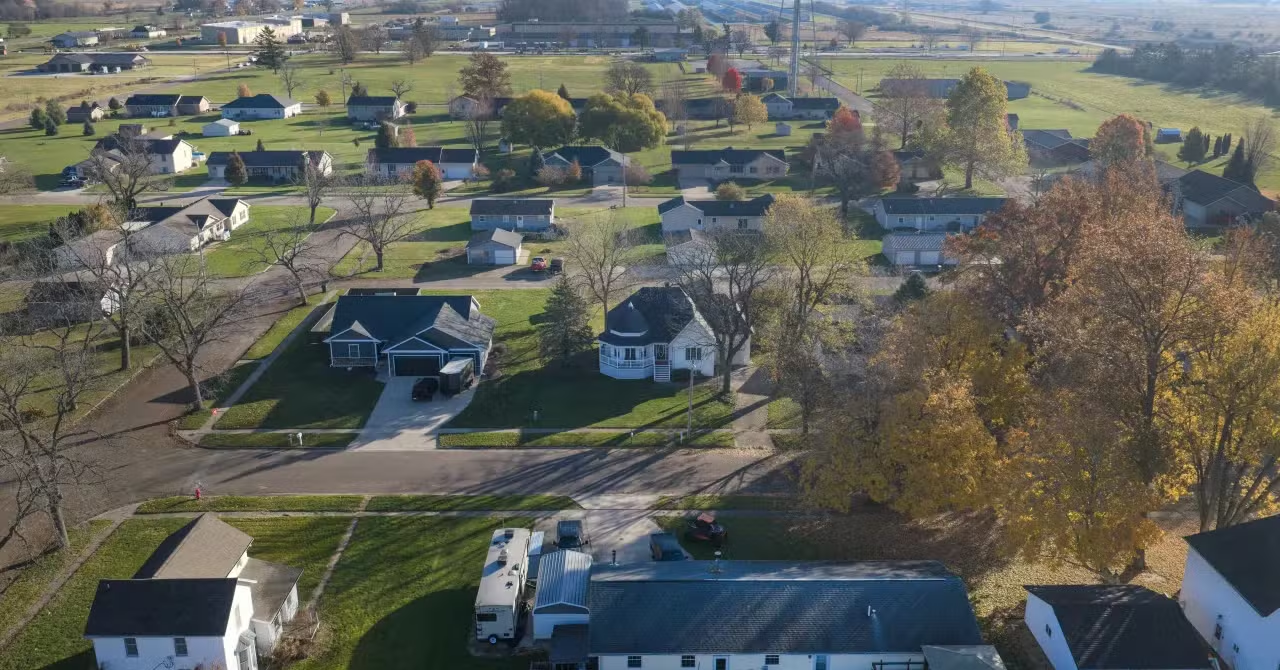
Trump orders military to pause Iowa lead detonation, puts desion on incoming governor
President Trump says in a message that the military should pause a planned explosion of lead azide in Iowa until the courts give permission, making the decision fully subject to Governor-elect Rob Sand's agreement. The 68 barrels of the highly sensitive explosive have been stored at the Iowa Army Ammunition Plant in Middletown for more than 20 years, and a routine check this year found evaporated water had left the material unstable. The detonation has drawn legal objections over possible lead contamination and was already postponed from a Friday to the Wednesday before Thanksgiving. Trump quotes military experts as saying a controlled detonation would be far safer than letting the corroding materials explode on their own, while the Army warns waiting could lead to an unplanned explosion as temperatures drop. He blames improper storage under the Obama administration and says he will hold Sand, a Democrat, responsible for any death or destruction if the operation does not proceed.

Trump threatens to hold Iowa Dem responsible for 'any and all deaths' if Army blast stalls
President Trump threatened on Nov 23, 2026 to hold Iowa's incoming Democratic governor responsible for "any and all death or destruction" if a court fight blocks the Army from detonating nearly 10,000 pounds of unstable explosives at the Iowa Army Ammunition Plant near Middletown. In a lengthy Truth Social post, he backed the Army's plan to blow up deteriorating lead azide, arguing that leaving it alone was the bigger risk, and wrote that the military feels a controlled detonation is safer than letting the materials fester. Trump said he ordered the military to hold off until the 8th U.S. Circuit Court of Appeals clears the operation and Gov.-elect Rob Sand agrees, warning in a quoted post that otherwise the administration would be forced to hold the incoming governor responsible. The Army discovered 68 drums of degraded lead azide at the plant in March 2026 and says it has become dangerously unstable; it plans the blast on Wednesday, Nov 25, 2026. CNN reports the appeals court temporarily paused the EPA's permit for the detonation in the week before Nov 23 after environmental groups sued, and that the Justice Department asked the court to lift the pause on Sunday, Nov 22. The Iowa Environmental Council and the Sierra Club argue the explosion could spread lead dust to communities more than 100 miles away, and Sand has said Iowans' safety should be the government's top concern.
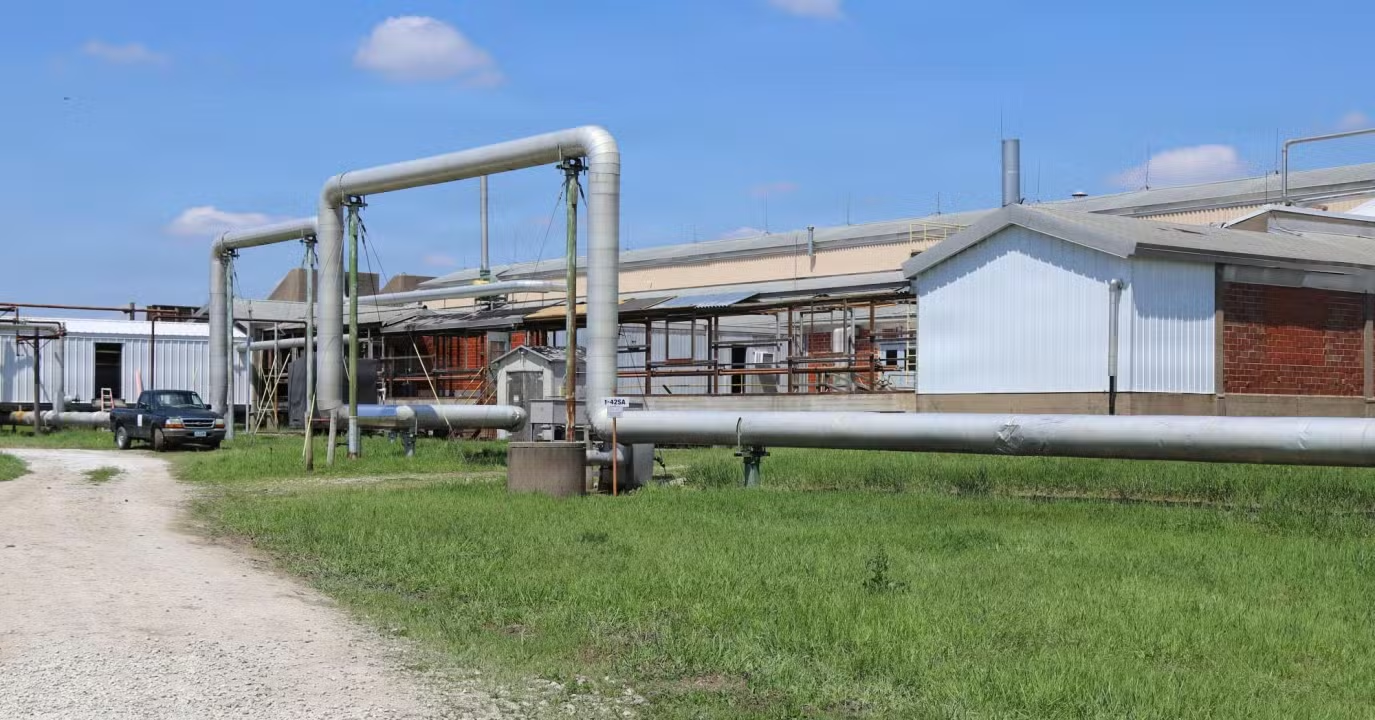
President Donald Trump orders the Army not to detonate bomb-making chemicals in Iowa without court approval
President Trump says he will defer to a federal appeals court on whether the administration moves ahead with detonating several tons of degraded bomb-making material at the Iowa Army Ammunition Plant. The Army had planned to blow up 68 barrels of lead azide at the Middletown, Iowa, plant on 20 November 2026. It has changed the detonation date three times after an outpouring of public concern.
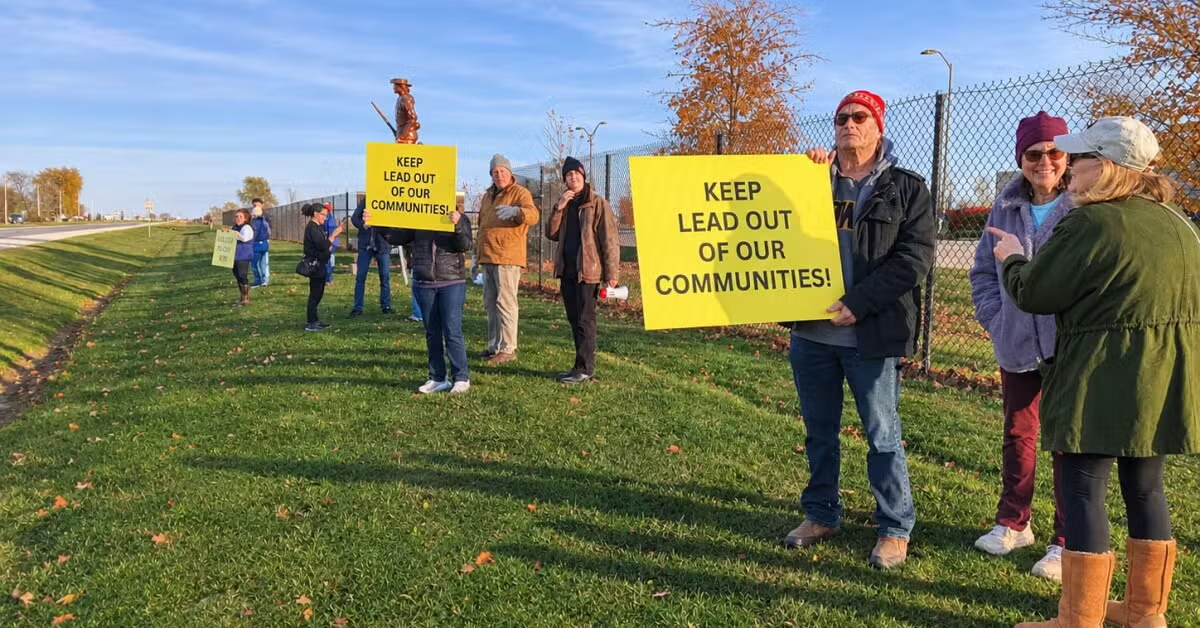
Trump orders the Army not to detonate bomb-making chemicals in Iowa without court approval
President Trump says he has ordered the military not to detonate 68 barrels of degraded lead azide at the Iowa Army Ammunition Plant until the 8th Circuit agrees the operation can go forward and incoming Governor-elect Rob Sand agrees to it, warning he will hold Sand responsible for any death or destruction if it does not proceed. Environmentalists sued to stop the detonation and won a stay from the appeals court pending review of an EPA emergency permit, after the Army changed the date three times amid public concern over health and environmental effects. Officials contend the crystallized chemical is unstable and that the risk of an uncontrolled explosion is growing as temperatures drop below 30 degrees Fahrenheit, saying handling the drums would raise the chance of an accidental fatal detonation, while the environmental groups argue alternatives were not fully considered and criticized officials for withholding information.
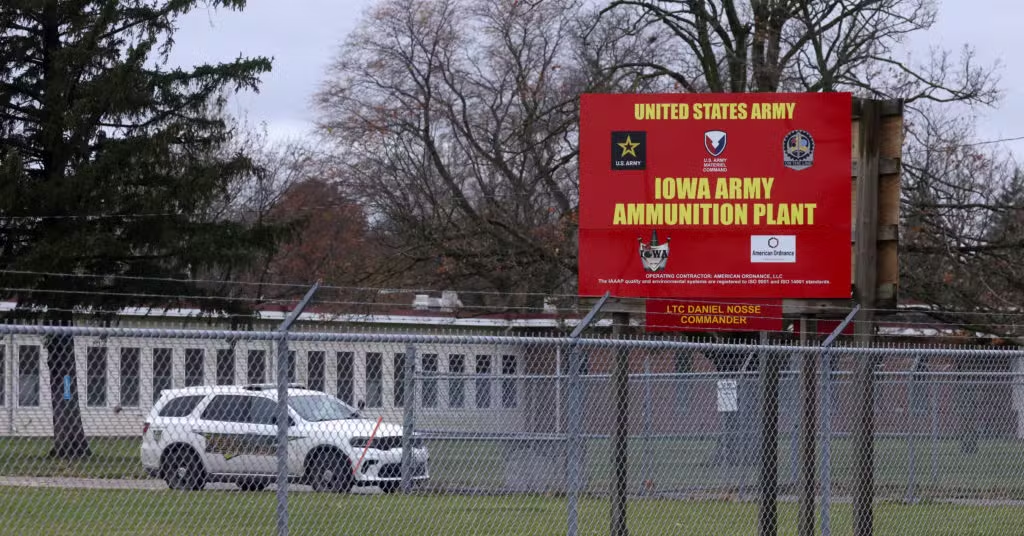
U.S. Army plans to invoke emergency provisions to detonate bomb-making chemicals in Iowa
An Associated Press report on pbs.org says the U.S. Army plans to invoke emergency provisions to get around a court order that put on hold its plan to detonate several tons of bomb-making chemicals near Middletown, Iowa. The 8th U.S. Circuit Court of Appeals had granted environmentalists' request to pause the permit for the blast days earlier, after the Army already pushed the operation from Friday to Monday amid public concern. The chemicals are several dozen barrels of degraded lead azide found at the Iowa Army Ammunition Plant in March 2026, whose crystallization created an unstable situation, and officials say the risk of an uncontrolled explosion grows as temperatures fall below 30 degrees Fahrenheit in coming days. Environmental groups including the Sierra Club and Earthjustice say alternatives to detonation were not fully considered and accuse the Army of finding a way to sidestep the judicial process rather than meeting demands for transparency, and a public advisory warned the blast would produce an air plume of lead-containing particles that settle on the ground.
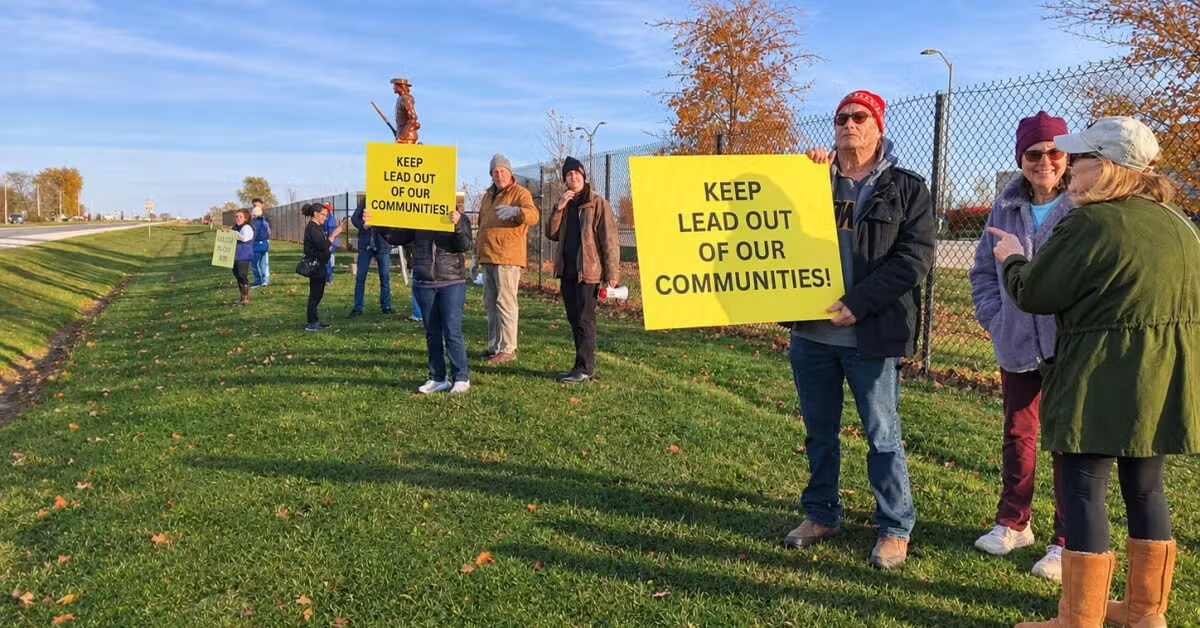
US Army plans to invoke emergency provisions to detonate bomb-making chemicals in Iowa
An Associated Press news report says the US Army plans to invoke emergency provisions to get around a court-ordered hold and detonate several tons of degraded bomb-making chemicals in Middletown, Iowa, by Tuesday. On Thursday, the 8th U.S. Circuit Court of Appeals granted environmentalists' request to put on hold the permit clearing the way for the detonation, which the Army had already pushed from Friday to Monday after public concern over health and environmental effects. The plan stems from staff finding dozens of barrels of degraded lead azide at the Iowa Army Ammunition Plant in March 2026, whose crystallization created an unstable situation. The Army says delays make the chemicals more dangerous as temperatures drop below 30 degrees Fahrenheit, and government lawyers argue no permit is needed for an immediate explosive threat, while environmental groups including the Sierra Club and Earthjustice call the move a maneuver to sidestep the court order and avoid public demands for transparency.

US Army plans Iowa detonation this week despite court stay over lead plumes
The U.S. Army still plans to detonate 68 drums of lead azide at the Iowa Army Ammunition Plant in Middletown on Monday or Tuesday despite a court stay, according to a court filing shown in a Chicago Tribune report. Environmental groups sued Thursday and filed declarations Sunday calling the Army's public notice inadequate, and as of Sunday the Army had not released updated plume models even though wind patterns have shifted; its initial modeling showed lead could have blown more than 100 miles into western Illinois. The Army says it has no choice but to detonate the 9,500 pounds of hazardous material, whose drums were found unstable after crystals formed, and the Justice Department argues a controlled detonation is far safer than the risk of an uncontrolled explosion.
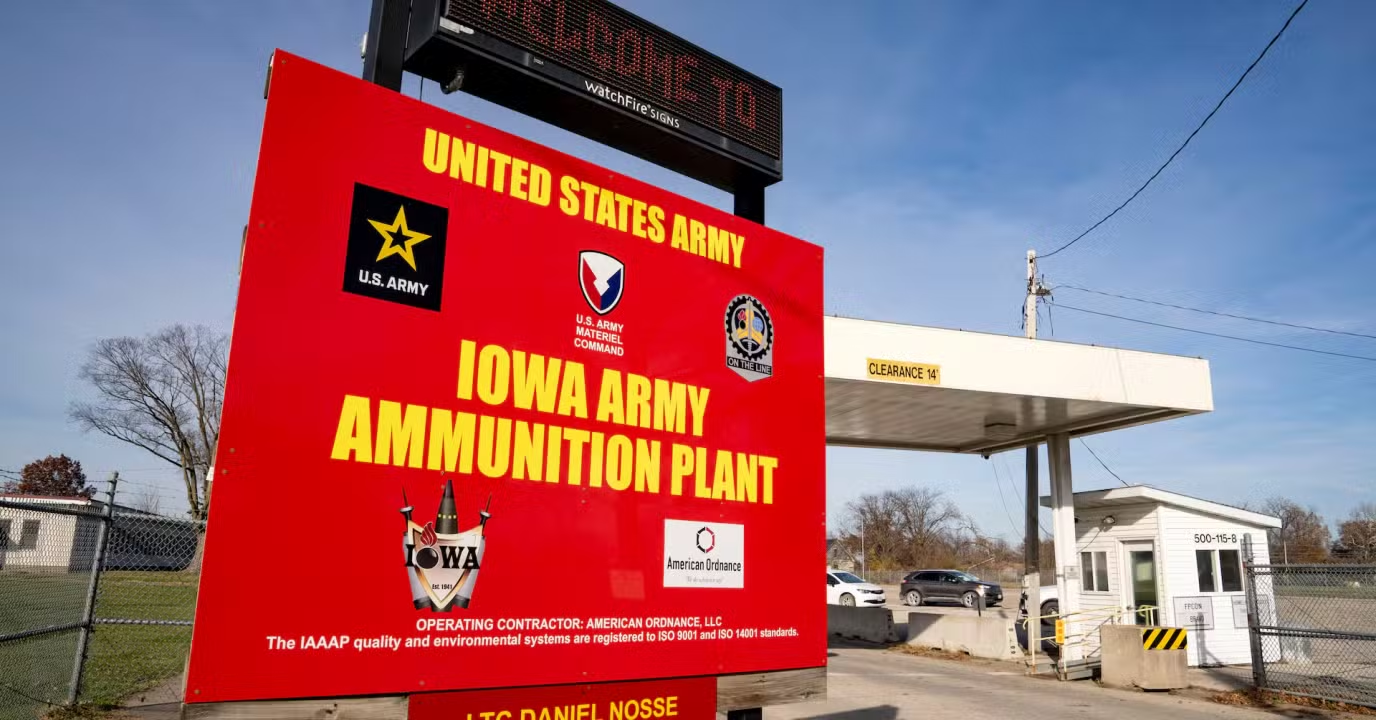
Iowa detonation of lead will proceed under emergency powers, Army says, bypassing court order
The Trump administration told a federal court that the US Army will detonate 68 barrels of degraded lead azide at the Iowa Army Ammunition Plant near Middletown by November 24, invoking an emergency munitions exception to federal environmental law to bypass a court order blocking the plan. The Justice Department's late November 21 filing says the Army must perform a controlled detonation to protect the public from the greater threat of an uncontrolled explosion, which officials say cold temperatures could trigger. The 8th Circuit had temporarily halted the detonation on November 19 by freezing the Army's permit after the Iowa Environmental Council and the Sierra Club's Iowa chapter sued, arguing the blasts would send a toxic plume of lead dust as far as 100 miles downwind.
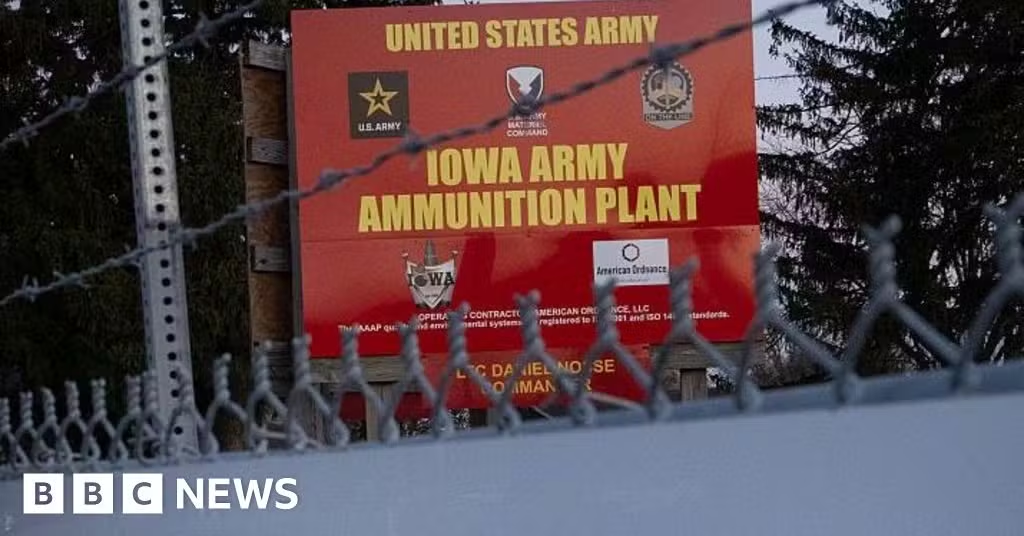
US Army to detonate tonnes of unstable explosives in Iowa despite court order
The US Army plans to go ahead with detonating five tonnes of degraded lead azide explosives at the Iowa Army Ammunition Plant in Middletown by 24 November, despite a court order halting the blast indefinitely, a new court filing shows. The court paused the detonation after the Iowa Environmental Council and the Sierra Club sued, arguing the army failed to consider safer alternatives, and the EPA had granted an emergency permit for 68 drums. In its court filing, the Department of the Army argues a controlled detonation is needed to protect the public from an unplanned explosion, saying there is an immediate risk the lead azide will explode as temperatures are expected to drop below 30 degrees Fahrenheit, and that removing the bunker doors to prepare for the blast made the barrels more vulnerable to temperature changes. The groups have filed a new motion asking the court to pause proceedings so they can submit further information, with declarations from experts and local officials citing a lack of public notice; the Iowa Environmental Council says Iowans were given just days to prepare and there is no safe level of lead exposure.

Army toxic detonation in Iowa paused amid public outcry, farm disruption
A federal appeals court temporarily blocked the US Army's plan to detonate 68 barrels of degraded lead azide near Middletown, Iowa, granting a stay of the EPA permit until it rules on an emergency stay sought by the Iowa Environmental Council and the Sierra Club's Iowa chapter, which sued to stop the detonation. The Army had already postponed the blast to November 23 after public outcry from residents and farmers. Earthjustice, the environmental law group suing on the groups' behalf, said the detonations would release a toxic plume of lead dust that could travel 100 miles north of the site, while acting Army Secretary Adam Telle said the Army and EPA determined controlled detonation posed the lowest risk to the public. The Iowa agriculture department advised nearby cattle farmers to move livestock, feed and equipment, and farmers were hauling hundreds of cattle elsewhere at high cost, unwilling to risk their herds.

