Paris cost-of-living march draws lower turnout on sixth Saturday of protests
Thousands protest across Europe over living costs and housing
aljazeera.com· 9h
« On ne veut pas abandonner » : à Paris, les manifestants refusent l’essoufflement
mediapart.fr· 11h
Lower turnout at largely peaceful marches across France
reuters.com· 13h
Manifestations du 21 novembre : le nombre de personnes mobilisées en baisse dans l’après-midi, le cortège parisien est arrivé place de la Nation
lemonde.fr· 14h
French protesters rally for sixth weekend over living costs, public services, inequality
Manifestations en direct : nouvelle journée de mobilisation pour la jeunesse et contre la vie chère
france24.com· 22h
Sixième samedi de manifestation contre la vie chère, premier round contre les violences sexistes
Sixième samedi de manifestations contre la vie chère en France, dans un contexte de baisse de la mobilisation
Vague de manifestations de la jeunesse à travers l'Europe à partir de vendredi
Manifestation à Paris le 21 novembre : syndicats, jeunes et défenseurs du droit au logement défileront ensemble ; les « gilets jaunes » devraient les rejoindre
A coalition of French unions and youth organizations, including the CGT, CFDT, FO, FSU and Solidaires, declared a Paris demonstration for Saturday 21 November 2026, running from the Place de la République to the Place de la Nation. The gilets jaunes, whose movement marks its eighth anniversary this weekend, declared their own route for their 'act VI' between the Place de la Bastille and the Place de la Concorde, which the Paris police prefecture refused.
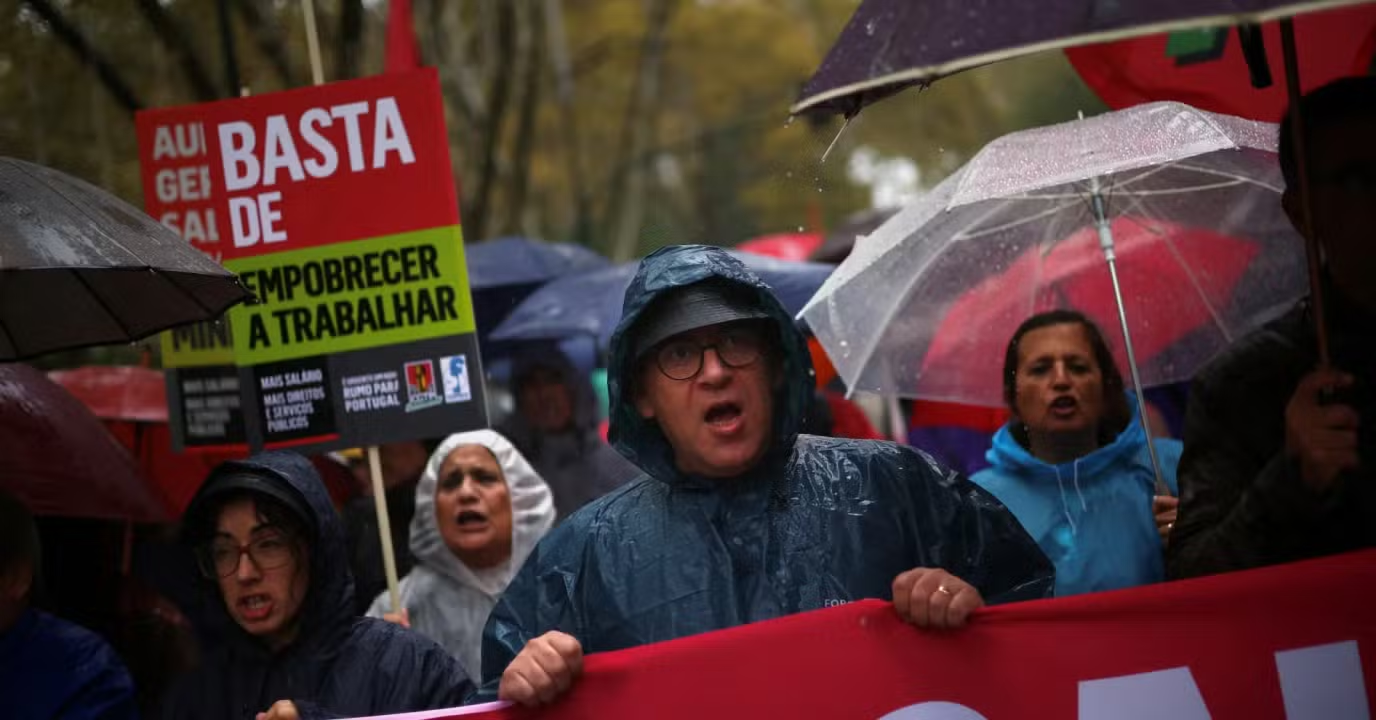
The French protests joined a wider European mobilization: in early November, Droit au logement and groups from France, Belgium, Britain, Spain, Greece, Italy and Portugal called for three days of action for the right to housing, wage increases and tax justice. Youth organizations from about twenty countries organized an international strike on 20 November, when Italy's CGIL union held a nationwide strike that disrupted transport, schools and some healthcare services. Thousands marched in Lisbon in heavy rain against the government's proposed budget.
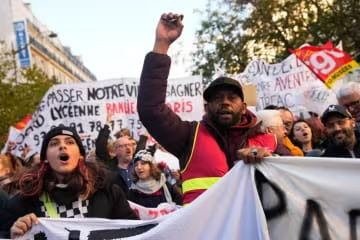
In Paris, several thousand people gathered at the Place de la République in a festive atmosphere, and the march set off at 14:00, with most demonstrators reaching the Place de la Nation by 16:30. The Interior Ministry counted 82,500 protesters across France, including 21,500 in Paris, while organizers put the turnout at 150,000. That was down from 106,000 nationwide on 14 November and far below the first Saturday on 17 October, which police put at 565,000 and organizers at 800,000, a day marked by violence and looting on the margins of some marches. About 70,000 security forces were deployed, and sporadic violence was reported, including police charges in Lyon and a march in Marseille that split in two. The interior minister's entourage described the day as clearly smaller than previous protest days.
The mobilization began in mid-September with high school students demanding better learning conditions, and blockades are continuing in some French high schools.
A regional coalition of French unions and youth organizations declared a demonstration in Paris for Saturday 21 November 2026, running from the Place de la République to the Place de la Nation with a 2 p.m. start.
The coalition comprises the CGT, CFDT, FO, FSU and Solidaires together with the youth organizations FAGE, UNEF, Union étudiante and Union syndicale lycéenne.
CGT Île-de-France general secretary Vincent Gautheron said the coalition declared the route to the Paris police prefecture on Wednesday and had received no reply by midday on 19 November.
In early November, Droit au logement joined trade unions and housing rights associations from France, Belgium, Britain, Spain, Greece, Italy and Portugal in calling for people to take to the streets on 20, 21 and 22 November for the right to housing for all, wage increases and tax justice.
The gilets jaunes coordination was among the movements behind the call and declared its own route for its 'act VI' between the Place de la Bastille and the Place de la Concorde.
The Paris police prefecture refused the gilets jaunes coordination's declared route.
Droit au logement spokesman Jean-Baptiste Eyraud said the association would take part in the march and hold a press conference before the departure.
Gilets jaunes coordination member Benjamin Ball said the coordination would demonstrate between the Place de la République and the Place de la Nation instead.
The housing-rights organizations behind the joint European call put forward six common demands: a guaranteed right to housing for all, lower prices for housing, food and energy, higher wages, taxing the rich and an end to rearmament policies.
Lycée and student organizations from about twenty European countries organized an international youth strike for 20 November and the weekend under the slogan 'Fight for our future, not for their wars'.
Italy's main trade union, the CGIL, announced 100 demonstrations across Italy on 20 November against the rising cost of living and for accessible housing.
In Spain, youth demonstrations were planned for midday on 20 November, notably in Madrid and Barcelona.
The German collective GenZ regelt expected 15,000 people in Berlin on 20 November and actions in dozens of cities.
Strikes and demonstrations were planned in Belgium on 23 November against austerity measures, in convergence with the youth struggles.
Hannes Kramer, a student mobilized in Germany against the possible reintroduction of military service, said 'the militarization and the cuts in social spending go hand in hand: while seemingly unlimited sums of money are poured into the armies and the infrastructure that supports them, the welfare state is dismantled'.
Zennor Tyndale-Biscoe, a 17-year-old planning to demonstrate in Truro in south-west England, said 'it is really an important event to make young people's voices heard across the whole country and to express our need for immediate and systemic changes for our future', adding that like the young people mobilizing in France, 'we believe deeply in the impact that our voice can have in the adult world'.
Jean-Baptiste Eyraud, spokesman of Droit au logement, said 'the Spanish, Portuguese, Italian and German tenants give the example of the need to mobilize against the high cost of housing, the over-exploitation of this essential need which is housing'.
Trade unions, youth organizations and gilets jaunes called a sixth consecutive Saturday of demonstrations against the cost of living across France, with the gilets jaunes naming the day 'act VI'.
The gilets jaunes movement celebrates its eighth anniversary on the weekend of 21 November 2026.
According to police, 565,000 people took part in the first Saturday of mobilization on 17 October 2026, and 800,000 according to organizers, and the day was marked by violence and looting on the margins of some marches.
The two Saturdays before 21 November drew more than 100,000 demonstrators each by the authorities' count and about twice that number by the organizers'.
Blockades are continuing in some French high schools.
CGT general secretary Sophie Binet said: 'Since the end of September we have succeeded in building a mobilization that is now spreading to the European level. It is very important, it is strong, we are proud of it, and this European mobilization nourishes us and gives us strength.'
Demonstrators in Paris displayed a banner reading 'Generation Z against selection and militarisation' at the protest against the cost of living and military spending.
La France Insoumise said in a post that the popular mobilisation will continue across France on 21 November and called on people to turn out in numbers with the youth and the unions, with a gathering in Paris at 2 p.m.
A gilets jaunes account named Germinal38 listed mobilisation points in Lyon for 21 November, including the Esplanade de la Grande-Côte and the Métro Garibaldi at 2 p.m. and a festive demonstration from the Place Lazare Goujon with a concert by the Orchestre du Nouveau Monde at 11 a.m.
The mobilization began in mid-September with high school students demanding better learning conditions.
Several thousand people gathered in the Place de la République in Paris in a festive atmosphere, with musicians playing, food trucks, costumes and homemade signs.
One group at the Paris protest set up mock headstones proclaiming the death of France's public services, including social security and education.
Manon Moret, general secretary of the students' union Unef, said that in a number of countries young people face the same precarity and must choose between having a roof over their head, getting medical care and eating their fill.
The interior ministry said the mobilization began in a generally calm atmosphere and that turnout was down compared to previous days.
The Paris march set off from the Place de la République at 14:00 and most demonstrators reached the Place de la Nation around 16:30.
The interior minister's entourage counted 44 actions and 2,200 demonstrators outside Paris, against 9,800 on 14 November and 72,600 at the height of the mobilization on 17 October, and described the day as clearly smaller than previous protest days.
In Marseille, the only authorized demonstration, which set out at 15:00 and drew several thousand people, split in two, with part of the march heading toward the boulevard Chave while the CGT followed the official route.
In Lyon, where demonstrations are banned across much of the city centre from noon to 22:00, police charges took place near cours Gambetta.
The Paris police prefecture described the gathering shortly before 16:00 as incident-free while the march was still advancing.
The CFDT, CGT and UNSA called on private-sector employees to back a public-sector strike day set for 1 December.
The Interior Ministry said 82,500 people participated in protests around France on 21 November, including 21,500 in Paris.
Organizers put the turnout at 150,000 across France, including 45,000 in the capital.
The ministry's count compared with 106,000 protesters across France, including 24,000 in Paris, on 14 November, when organizers had claimed 200,000.
About 70,000 security forces were deployed across France to keep the protests safe and deter disorder.
Sporadic acts of violence were reported during the protests, including in Marseille.
Léa, Ted and Maëlys ran a placard-making workshop on the Place de la République.
Demonstrators replaced the advertising panels on Boulevard Voltaire with posters calling for the channel CNews, nicknamed 'CMort', to be switched off.
Thousands marched through Lisbon in heavy rain against the government's proposed budget, in a demonstration organized by the CGTP union federation demanding higher wages, pensions and cheaper essential goods.
About 4,000 people gathered in Berlin for the youth protests, and the German campaign Gen Z regelt announced demonstrations in 73 locations.
Police reported roughly 200 participants at a march in Helsinki organized by left-wing and student groups.
In Italy, a nationwide CGIL strike on 20 November disrupted transport, schools and some healthcare services.
Organizers of the international youth strike said demonstrations were planned in at least 25 countries, with demands ranging from greater education funding and climate action to opposition to compulsory military service.
CGIL union leader Maurizio Landini claimed demonstrations in more than 100 Italian cities drew more than one million participants nationwide.