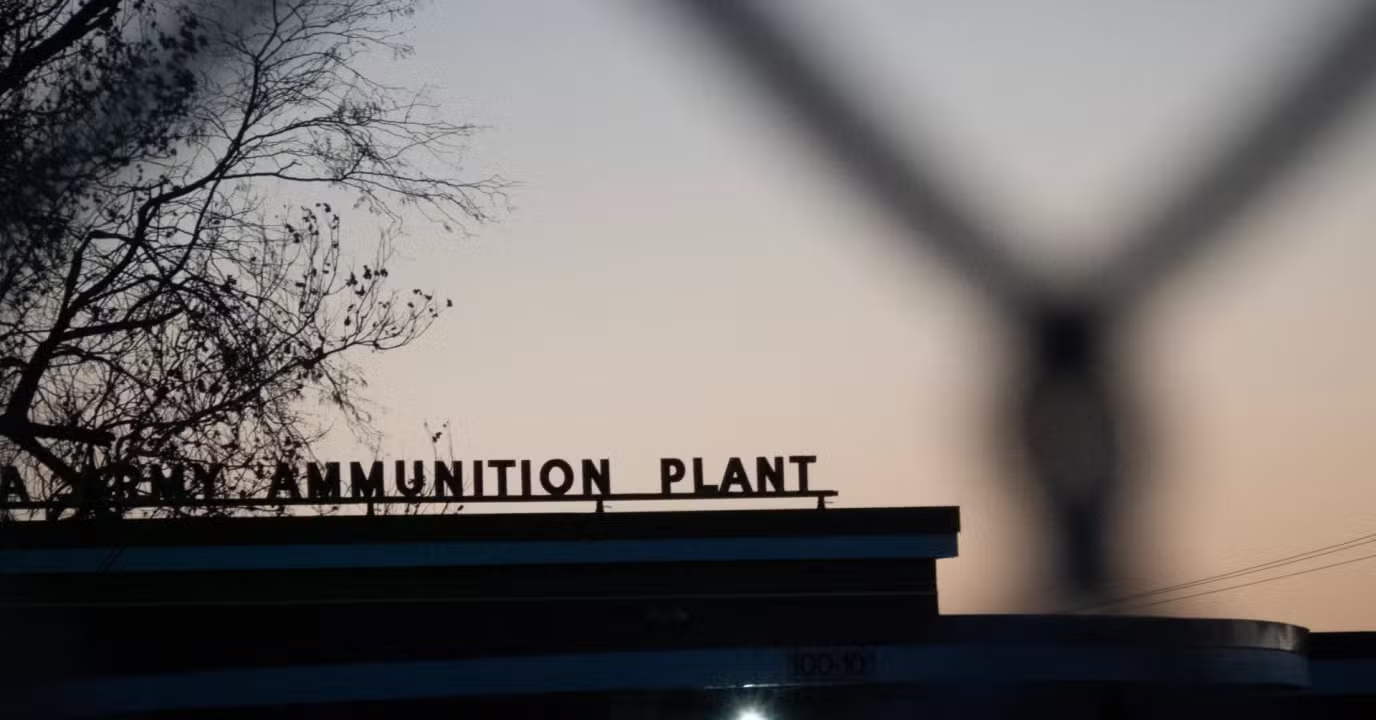
Why is the US Army detonating lead-rich explosives in Iowa?
The US Army planned two controlled detonations at the Iowa Army Ammunition Plant in Middletown to destroy 68 drums of degraded lead azide, about 9,700 pounds of explosives containing roughly 6,900 pounds of lead, under an emergency EPA permit announced only five days beforehand. Residents, health experts, and elected officials protested the scant notice and the risk of spreading lead dust, and Iowa environmental groups petitioned a federal appeals court, which granted an interim stay blocking the blasts while a legal challenge proceeds. The Army postponed the operation from 20 November to Monday 23 November, with acting Secretary Adam R Telle citing a forecast temperature drop that could further destabilise the material, and Justice Department lawyers later pointed to emergency powers that could still let the blasts go ahead. Scientists say the plan rests on a flawed premise: epidemiologist Bruce Lanphear told Al Jazeera that detonation cannot destroy lead, only scatter it as fine particles, while the Army insists its safeguards, drenching the soil and relying on magazines ringed by two-storey sand barriers, will contain the plume it predicts will stay below EPA action levels.

The dangers of lead and how to minimize exposure
A NewsNation article explains the dangers of lead and how to minimize exposure, prompted by the court order late Thursday that put on hold the detonation of nearly five tons of destabilized lead barrels in Middletown, Iowa. Since the order, searches about lead and its risks have risen in Iowa and neighboring states. The article describes lead as a toxic heavy metal that enters lives through water, soil and old homes, with children among the most vulnerable, and Illinois Environmental Council's Cate Caldwell says the only way to identify lead contamination is testing, with blood testing the way to check the body. Caldwell and wellness expert Helen Christoni say knowledge is the biggest asset against lead exposure, and Christoni recommends keeping drinking water, an air purifier and a water purifier on hand in case of an event like the Iowa detonation, while the article's instructions include frequent handwashing, removing boots at the door and cleaning surfaces.

The Army Plans to Blow Up Tons of Toxic Explosives. It Rejected a Safer Option.
A New York Times investigation reports that the Army plans to detonate nearly five tons of rapidly deteriorating lead azide at an Iowa base, after canceling a contract with MuniRem Environmental, a Georgia firm whose chemicals neutralize munitions instead of blowing them up. The Army cited safety concerns, including the risk that the degrading material could spontaneously detonate if handled, and acting Army Secretary Adam Telle said freezing temperatures risked further destabilization, though the Army did not answer questions about the canceled deal. The newly reported details cut against that account: an Army contracting officer told MuniRem the decision was not based on deficiencies in its approach, a 2019 National Academies review found the process can be conducted with little danger, and a 2025 EPA guide lists it as a valid treatment for lead azide. Residents, environmentalists and elected leaders are in an uproar over the blast, saying it could spread toxic lead dust, and an environmental group is challenging the permit as the detonation proceeds.
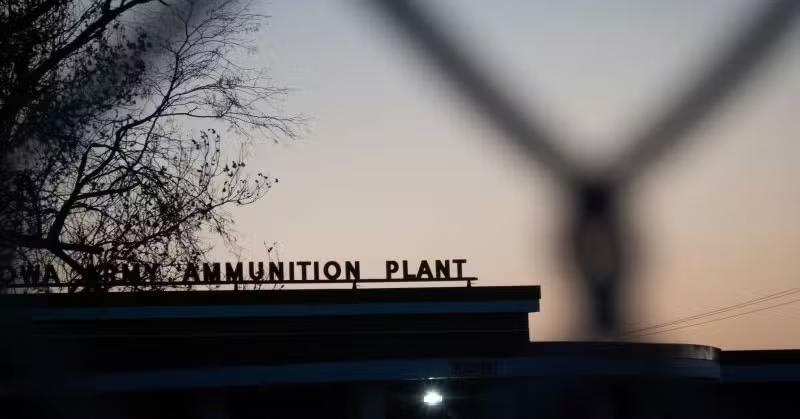
Here’s what we know about the Army’s planned detonation in Iowa after a judge ordered temporary pause | CNN
CNN reports on the fight over the US Army's plan to detonate five tons of lead azide at the Iowa Army Ammunition Plant in Middletown, which a federal judge ordered paused on the Thursday before the scheduled blast after environmental groups sued the EPA over its emergency permit. The Army says the material, found degrading in March, is extremely unstable and too risky to move, making a controlled detonation the lowest-risk option, and it rescheduled the blast from Friday to the following Monday. Critics, including Iowa and Illinois officials and environmental advocates, fear the plume could spread toxic lead dust over rural Iowa, the Mississippi River, and part of western Illinois, and the legal fight was expected to run into the Monday detonation date.

DOJ drags Army into court standoff with explosive warning for red state: report
The Department of Justice told a federal appeals court that the U.S. Army can detonate 68 barrels of unstable lead azide at the Iowa Army Ammunition Plant without an Environmental Protection Agency permit, citing an EPA rule for cases posing an immediate threat to health, safety, property, or the environment. Army officials fear the aging explosive could go off by itself as temperatures fall, and acting Army Secretary Adam Telle said Monday was the last workable date for the detonation. The 8th Circuit Court of Appeals has meanwhile paused the EPA's emergency permit while it considers the case, and the Army, which is not a party to the suit, briefly delayed the plan after objections from Iowa and Illinois officials and a lawsuit by environmental groups. Iowa's governor and local communities say they learned of the plan only five days earlier, when the Army released maps showing lead dust could spread far from the plant, and the agencies issued a joint statement saying they had planned the destruction since March with strong safety measures; the Justice Department is due to respond to the plaintiffs' emergency motion for a stay before Monday.
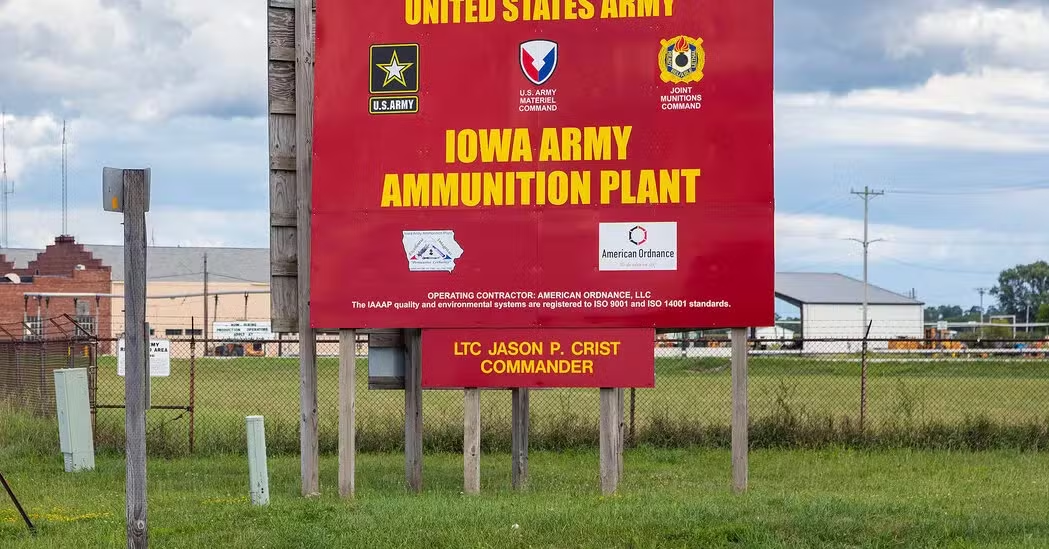
Trump Administration Says Army Can Blow Up Lead-Laced Explosives
A New York Times news report says the Justice Department has told a court the Army can blow up a large cache of lead azide, an explosive laced with a neurotoxin, at the Iowa Army Ammunition Plant as soon as Monday, with or without Environmental Protection Agency approval, if the degraded munitions pose an immediate threat. The Army had planned to detonate 68 drums holding nearly 9,700 pounds of the explosive on Friday but postponed after public alarm, pressure from elected leaders in Iowa and Illinois, and a federal judge's temporary block on the EPA-granted permit. The Army says the material must be destroyed quickly because an inspection found crystalline lead azide has formed, making the aged stockpile unstable and too risky to move, and Acting Army Secretary Adam Telle says it must be detonated no later than Monday before freezing temperatures make it more unstable. Residents near the plant, where about 80 homes have been told to evacuate, fear a plume of lead dust over southeast Iowa, a toxin that poses particular danger to children and pregnant women, and a farmer near the predicted plume worries for his cattle and crops.
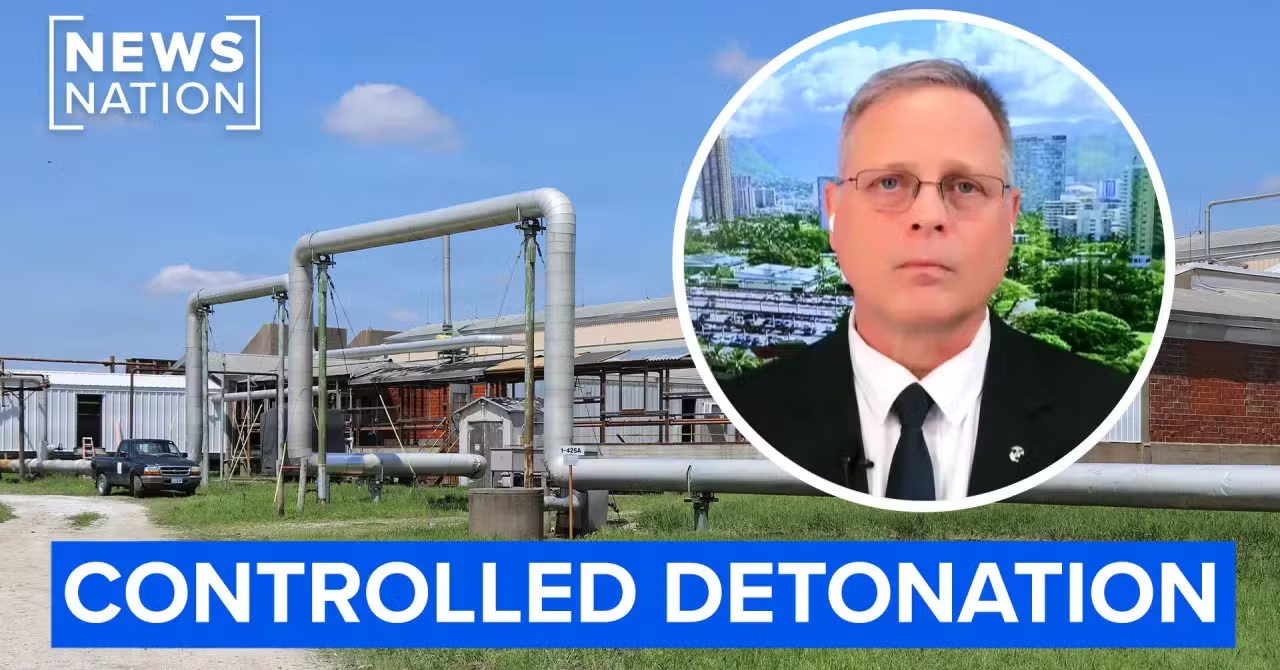
Colonel says controlled detonation ‘safest’ despite Iowa blast delay
NewsNation reports that the Army postponed a planned detonation of five tons of unstable explosives at the Iowa Army Ammunition Plant in Middletown, Iowa, moving it from Friday to Monday, Nov. 23. The material has leaked and dried out in its containers, making it too brittle and volatile to move safely, so officials call a controlled explosion the preferred option, and the Army says it still intends to go ahead Monday. Retired Marine Corps Colonel Michael Jernigan, who spent 30 years as a combat engineer, told 'The Hill on NewsNation' the detonation is the 'safest thing to do', comparing it to controlled burns that prevent forest fires: powdered lead would damage and perhaps kill people over years or generations, while an explosion would kill before you count to one. The blast was expected to send a lead-bearing dust plume into the air, and communities as far as 100 miles away were notified, while in a joint statement the Army, the EPA, and the Department of Health and Human Services vowed to take the most extreme mitigation measures available, and NewsNation reports courts could still intervene with an emergency stay.
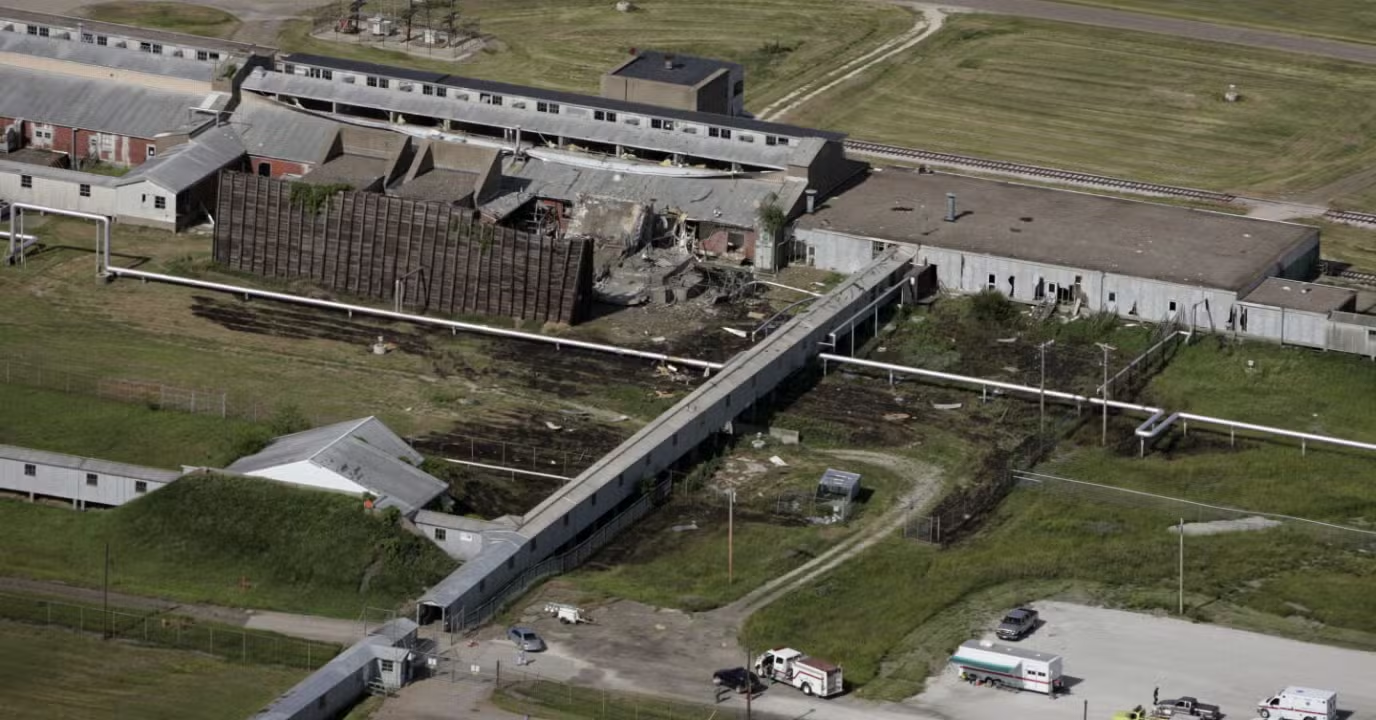
Trump Administration Says It Can Detonate Iowa Lead Despite Court Order
The Trump administration says the Army can detonate 68 barrels of degrading lead azide at the Iowa Army Ammunition Plant as early as Monday even though a federal appeals court has temporarily blocked the EPA permit for the blast. The Army briefly delayed the detonation from Friday to Monday after pushback from Iowa and Illinois leaders and a lawsuit by environmental groups, and a Justice Department attorney told the court that an EPA regulation would let the Army proceed without a permit if it finds an immediate threat to health, safety, property, or the environment. Army officials fear the volatile explosive could detonate on its own as temperatures drop, and acting Army Secretary Adam Telle called Monday the latest possible moment before a forecasted temperature drop. An Earthjustice attorney for the plaintiffs calls that regulation an extraordinary backstop with an incredibly high bar and urges the Army not to use it to sidestep demands for transparency, while the governor and many communities say they learned of the plan only five days before the blast.

Court Temporarily Blocks Trump EPA's Permit for Army to Detonate Toxic Lead Explosives in Iowa Town | Common Dreams
A federal appeals court has temporarily blocked the US Environmental Protection Agency's permit for the US Army to detonate about five tons of aging, toxic lead-based explosives at a munitions plant near Middletown, Iowa, and is weighing a long-term halt. The stay came in a one-sentence order after the legal group Earthjustice sued on Thursday on behalf of the Iowa Environmental Council and the Sierra Club's Iowa chapter, whose challenge argues the EPA and Army never fully reviewed other disposal methods for the unstable lead azide. The detonation, first set for Friday and pushed to Monday after outcry from the groups and local leaders, would, the Iowa Environmental Council says, send a lead dust plume up to 100 miles and risk harm to Middletown's roughly 360 residents. The Army says the material is increasingly sensitive to shock and friction and must be destroyed before cold weather makes it more unstable.

Court grants request to prevent military from detonating bomb-making chemicals in Iowa
A federal appeals court granted environmentalists' request late on November 19 to put on hold the permit that cleared the way for the U.S. Army to detonate several tons of bomb-making chemicals in Iowa, putting the Army's plans for dozens of barrels of degrading lead azide in jeopardy. The stay came after the Army had already pushed the detonation from November 20 to November 23 following public concern, and after Earthjustice filed a petition on behalf of Iowa groups arguing alternatives were not fully considered and that officials shared too little with the public. The Army says the unstable chemicals risk an uncontrolled explosion as temperatures drop, and its acting secretary says the delay pushes the detonation to the latest possible moment before a forecasted temperature drop. An inspection earlier in 2026 found the lead azide at the Iowa Army Ammunition Plant had degraded into an unstable and dangerous state, and officials warned the blast would spread toxic lead-containing particles over nearby communities.
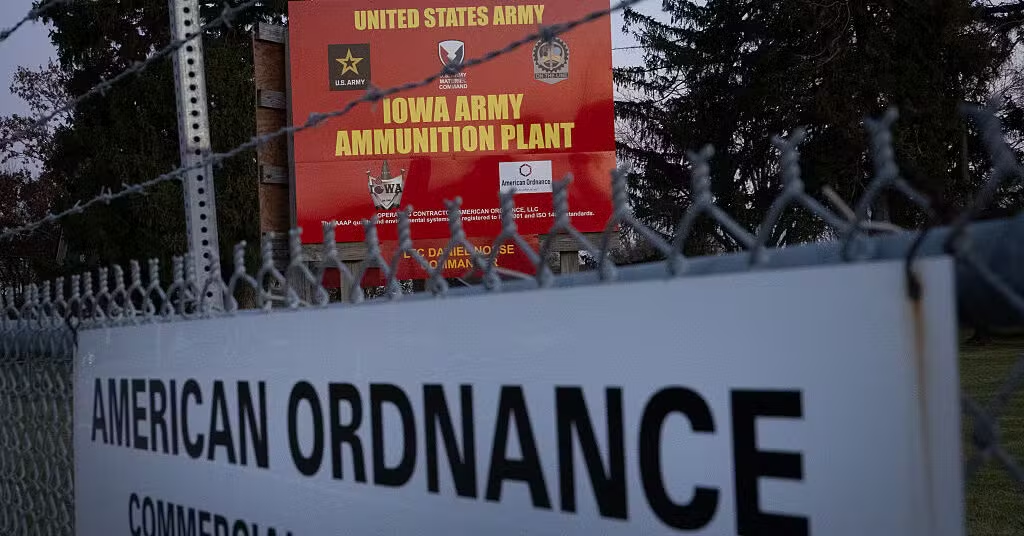
Outrage, questions swirl as Army delays blowing up stockpile of toxic lead azide
The US Army delayed a plan to detonate 68 deteriorating barrels of lead azide, about 9,700 pounds of the explosive stored at the Iowa Army Ammunition Plant in Middletown, after Iowans, state leaders, and nearby Illinois politicians raised health and environmental fears and environmental groups sued to pause the blast. Army modeling suggested the plume could carry lead at 0.18 micrograms per cubic meter nearly 100 miles north toward Cedar Rapids, above the EPA air standard of 0.15, and deposit lead dust at hazardous levels up to 25 miles away. The Army calls the stockpile's state 'catastrophically hazardous,' ruling out moving or chemically neutralizing it as risking accidental detonation, and made the fall Blow-in-Place detonation its best option. Acting Secretary Adam Telle said the delay to Monday, meant to give more time to inform Iowans, was the latest possible one before a forecast temperature drop that could further destabilize the compound.
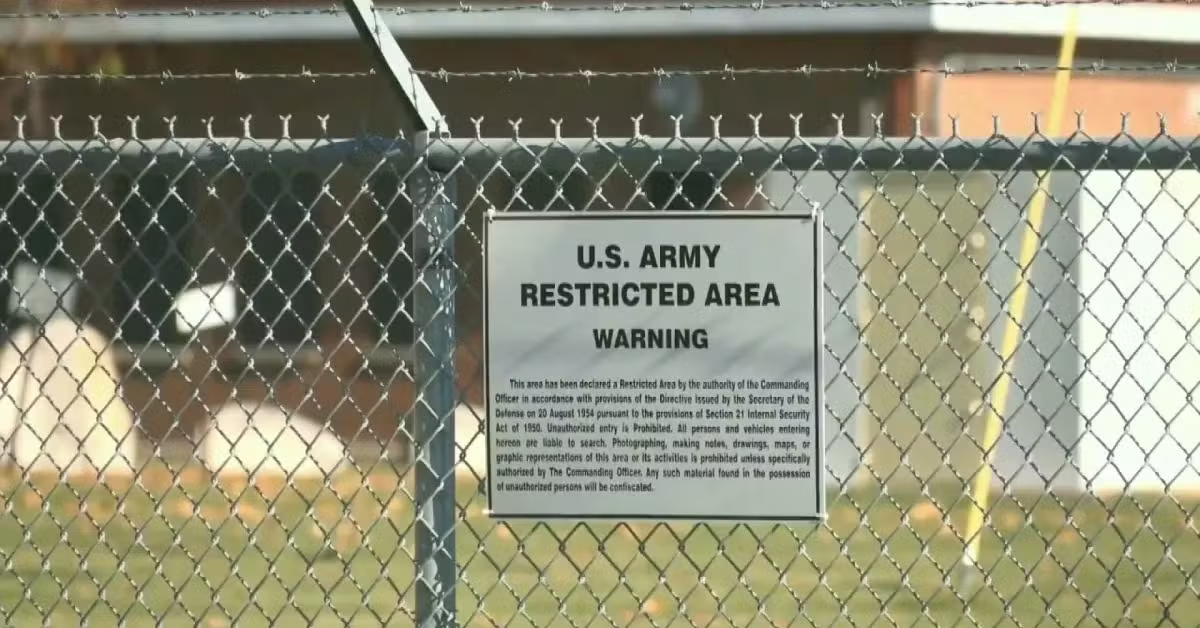
Detonation of 5 tons of lead azide in Iowa indefinitely suspended by court order
A court order has indefinitely suspended the Army's plan to detonate five tons of lead azide, a bomb-making chemical, at the Iowa Army Ammunition Plant near Middletown, Iowa. The one-sentence order, submitted late Thursday by Iowa Environmental Council and Sierra Club petitioners in a lawsuit, grants an administrative stay of the EPA's emergency permit until the court rules on their motion to block the blast, which could still go ahead Monday if a ruling comes in time. The material, stored in water-filled barrels for almost two decades, has according to recent investigations recrystallized into a volatile state, and the Army argues the detonation is needed because moving it would risk an explosion and cold weather could make it more unstable. Critics including Illinois lawmakers, who sent a letter urging a delay to explore safer alternatives, and residents of Iowa and neighboring states fear toxic lead dust could blow across state lines and settle on homes and farmland.
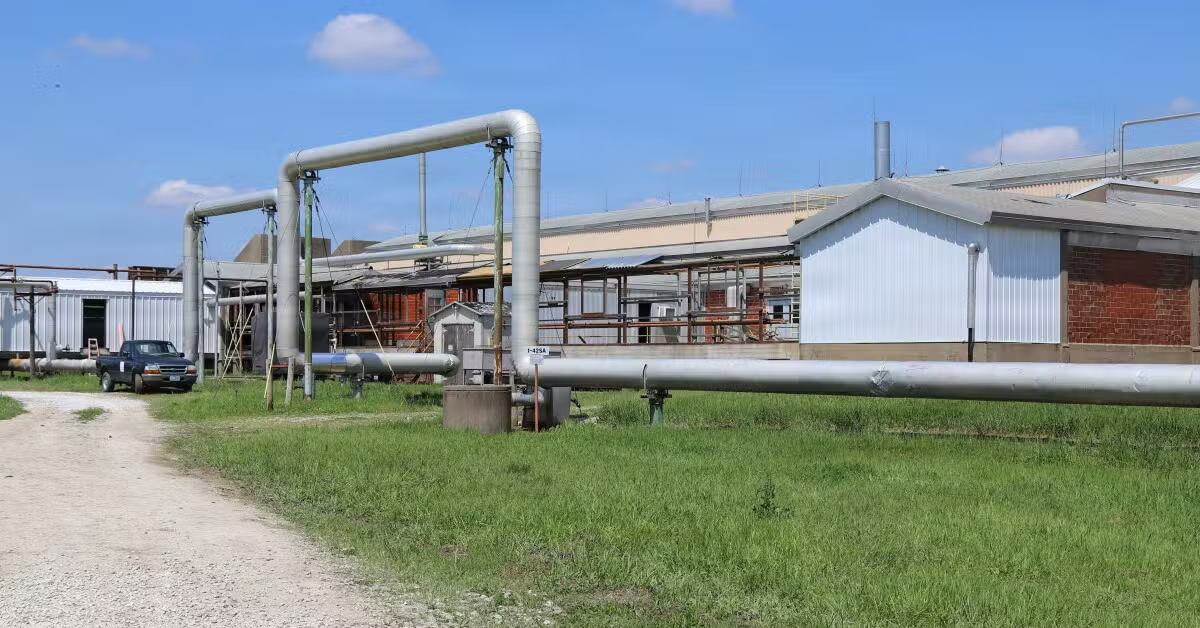
Court stay prevents US Army from detonating bomb-making chemicals in Iowa
The 8th U.S. Circuit Court of Appeals granted environmentalists' request to stay the permit that had cleared the U.S. Army to detonate several tons of bomb-making chemicals at the Iowa Army Ammunition Plant, ruling late on November 19, 2026. The Army found several dozen barrels of degraded lead azide at the plant in March 2026, and officials say crystallization created an unstable, dangerous situation, though Earthjustice, which petitioned for review of the EPA's emergency permit, argues other alternatives were not fully considered and criticizes officials for not sharing more with the public. The Army had already pushed the detonation from November 20 to November 23 after an outpouring of public concern, and officials warn the delay risks further destabilizing the material as temperatures drop. Earthjustice attorney Thien Chau says the Army cannot detonate under the stayed permit, and attorneys expect the court to decide before the November 23 date.
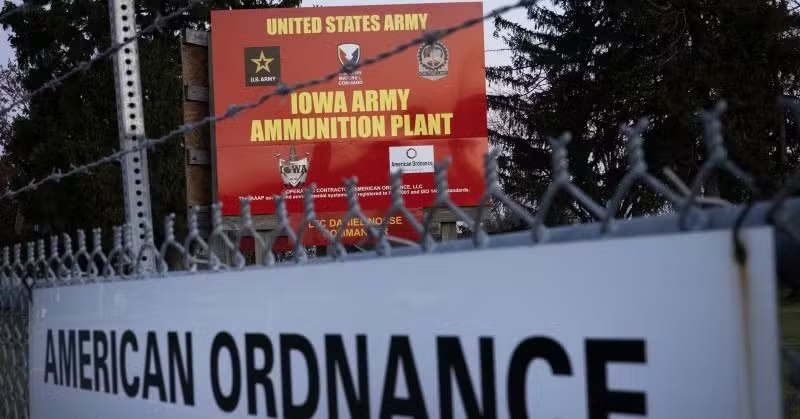
Judge halts Army’s plan to detonate 5 tons of bomb-making material as Iowa residents worry about lead exposure | CNN
A federal judge has ordered the US Army to pause its plan to detonate five tons of lead azide at the Iowa Army Ammunition Plant in Middletown, Iowa, after environmental activists filed a lawsuit over the potential impacts. The plant's officials, coordinating with the EPA, had planned to destroy 68 drums of the munitions-detonating material, a blast first set for Friday and postponed to Monday after pushback from the public and elected officials. The Army says a controlled detonation posed the lowest risk because the degraded lead azide is too unstable to pack and transport safely, though its modeling predicts lead-containing particles would form an air plume and deposit on the ground; a University of Iowa environmental health expert says sizable particles would likely land within 20 miles. Residents including Lucy Giehl, who lives 4 miles from the plant, and Senator-elect Josh Turek, who called for a delay, worry about the health risk, and it is unclear how much lead might be released. The judge's order does not say when the court will take further action.

Detonating A Huge Pile of Lead Azide. Really.
In his In the Pipeline blog on Science, chemist Derek Lowe reports that the US Army plans to detonate 68 drums of lead azide, between 9,500 and 10,000 pounds, stored at its Iowa ammunition plant, a blast postponed past 20 November 2026 by a court order. The Army declared the material unserviceable hazardous waste in March 2026, and Lowe says it has sat for some 20 years in underground concrete bunkers submerged in an ethanol/water mixture, where temperature changes let it dissolve and recrystallize into a form more sensitive to shock and friction than ever. That deterioration, he argues, makes moving the drums or chemically destroying them too risky to attempt, so a controlled in-place detonation is probably the best solution, only because every other option is worse. The EPA granted an emergency permit for the disposal in mid-November, the Army has prepared sand-filled bunkers to direct the blast away from populated areas, and monitors are being installed across Eastern Iowa because lead-contaminated dust, which Lowe says could drift 20 to 30 miles, does not just go away.
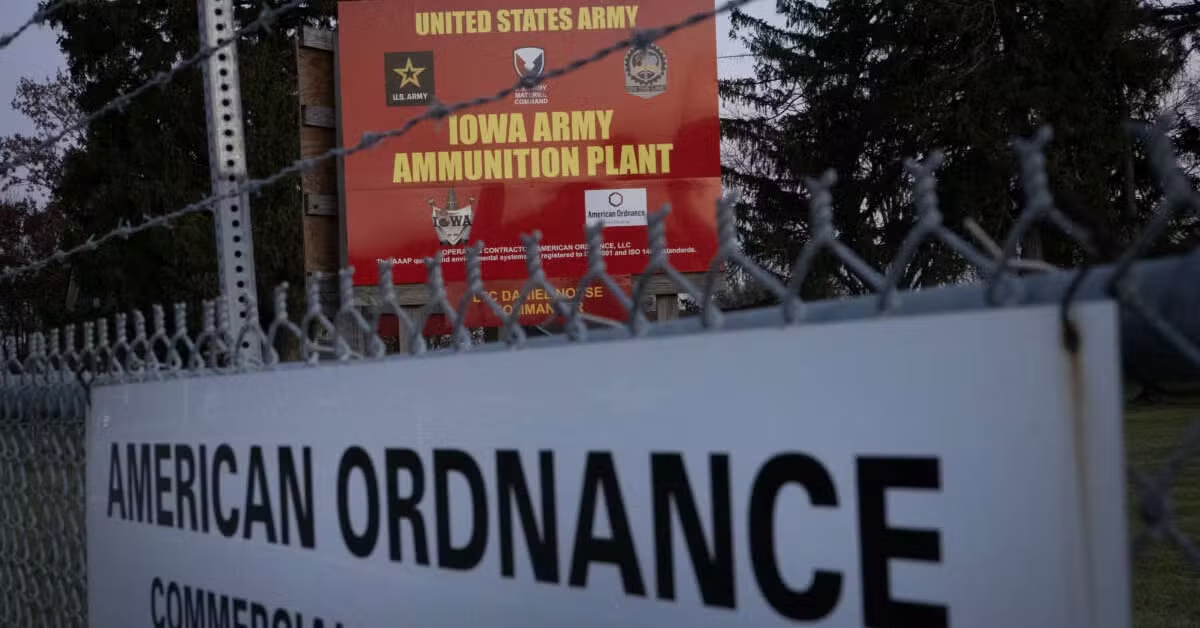
Army Postpones Detonation of Toxic Lead Azide in Iowa After Public Outcry
The Army postponed the planned detonation of 68 drums of degraded, lead-based lead azide at the Iowa Army Ammunition Plant in Middletown, Iowa, hours after environmental groups filed a lawsuit to stop it. Earthjustice, representing the Iowa Environmental Council and the Sierra Club Iowa Chapter, sued the EPA over its emergency permit for the detonation, arguing it lacked environmental performance standards, alternatives that would avoid widespread lead dispersal, and adequate public notice; the groups do not dispute the material poses a risk untreated but say the Army left it to degrade for roughly two decades and gave the public only five days' notice, and that the permit ignored potential spread to groundwater, soil, and wildlife while its testing requirements were weak. Acting Army Secretary Adam Telle announced the new date of Monday, 23 November 2026, calling it the latest possible moment before a temperature drop that could destabilize the material, and said public safety is the Army's top priority. The Army's own air models showed lead particles could spread up to 100 miles across the Mississippi into Illinois, and state agencies issued guidance on staying indoors and protecting livestock, while University of Iowa researchers launched independent air and soil sampling.

Army's plan to blow up unstable explosives faces another setback
A USA Today news report says the Army has paused its plan to detonate 68 barrels of volatile lead azide at the Iowa Army Ammunition Plant in Middletown, Iowa, delaying it from Nov. 20 to Nov. 23, 2026 after an outpouring of public concern. A federal appeals court has since put the plan on hold until it considers a lawsuit by the Iowa Environmental Council and the Sierra Club, which argue the EPA permit was issued without weighing environmental standards, alternatives, and notice to the public. The Army says it must detonate the explosive, stored at the plant for more than 20 years and uncovered in March 2026, because cold weather could make it unstable enough to self-detonate, and it deems a controlled blast safest since moving it risks an accidental detonation. Residents, health experts, and officials worry about lead exposure, particularly to young children, and opponents want the government to communicate risks better and give communities more time.

Iowans say warning Army is going to blow up degraded lead came too late
The U.S. Army plans to blow up barrels of degraded lead azide found eight months ago at an ammunition plant in southeastern Iowa, saying detonation is the only safe option. The blast, first set for Friday, was pushed to Monday after residents and officials objected, saying they had not been given sufficient warning or input. The Army warned that lead particles from the detonation could drift as far as 100 miles north of the plant, but did not tell the public about the plume until the Sunday before the planned Monday operation.
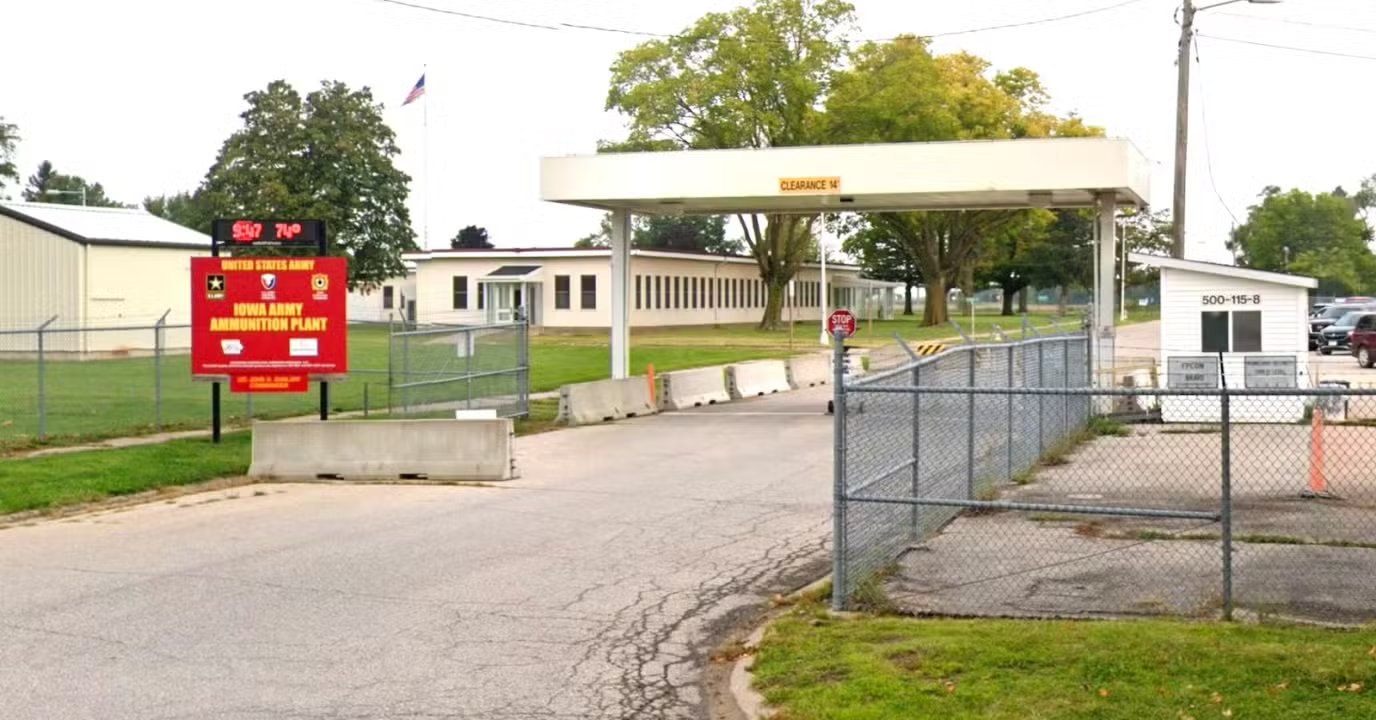
Army postpones plan to detonate nearly 10,000 pounds of lead azide until Monday
The U.S. Army postponed a plan to detonate nearly 10,000 pounds of lead azide at the Iowa Army Ammunition Plant in Middletown, Iowa, moving the blast from Friday to Monday, November 23, 2026, a day after it was first announced. The delay came hours after the Iowa Environmental Council and Sierra Club filed an emergency motion asking a federal appeals court to stay the EPA permit, arguing the blast could spread lead dust over an area about 25 miles long and 5 miles wide, and that the EPA approved it without fully weighing health and environmental consequences. The Army says the two rapid controlled detonations are needed to safely dispose of degraded lead azide that is too unstable to transport, and Army Secretary Adam Telle cited public safety and the need for better communication with residents, some of whom were asked to temporarily evacuate. Officials including Iowa Gov.-elect Rob Sand had criticized the Army's communication and called for a pause, and local school districts had planned Friday closures out of caution.

Army Delays Toxic Lead Detonation to Monday After Pressure From Iowa Leaders
The Army postponed a planned detonation of 68 barrels of volatile lead azide at its Middletown, Iowa, ammunition plant, moving it from Friday, Nov. 20, to Monday, Nov. 23, after elected leaders including Sen.-elect Josh Turek, Sen. Tammy Duckworth, and Rep. Ashley Hinson demanded a delay and more information about health risks. Public notice on Nov. 16 warned the blast could send a toxic plume over surrounding communities, including into Illinois, which state officials say got no prior warning, and Iowa Gov. Kim Reynolds says she learned of it only that day. Records show the Army has struggled with the explosive since March, when storage liquid evaporated and left it dangerously unstable, but only Middletown was briefed before the notice. Acting Army Secretary Adam Telle says the delay allows the latest possible date before a temperature drop that would further destabilize the material, while unnamed Trump administration officials fault him for giving officials only days to prepare.
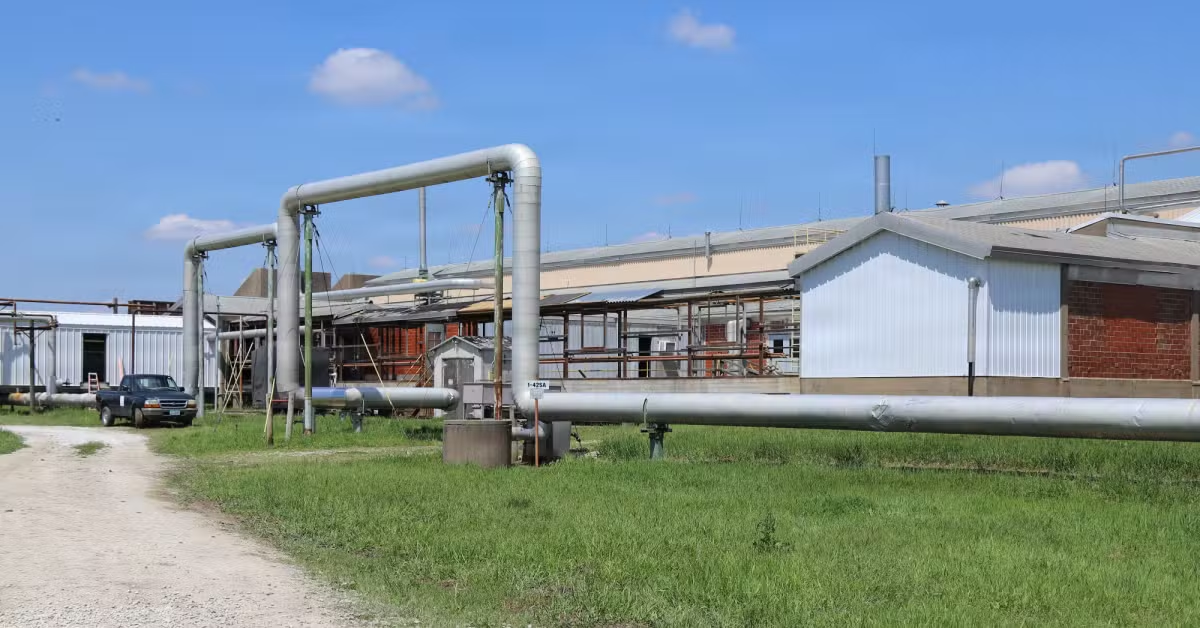
The Army is detonating a toxic "lead bomb" in Iowa. It forgot to warn people.
The Army is scheduled to detonate roughly 11,000 pounds of lead azide, an unstable bomb-making chemical, at the Iowa Army Ammunition Plant in Middletown, Iowa, on a Friday. A lawsuit by the Iowa Environmental Council and the Sierra Club's Iowa chapter was filed the day before to halt it, and Mother Jones forecasts the blast could send lead-contaminated dust across a hundred-mile swath, threatening thousands of people in eastern Iowa and northwest Illinois. The Army reportedly knew of the stockpile's deterioration for years while the roughly 400 residents of Middletown got a month's notice and other communities and Iowa's governor learned of the plan only days ahead; the Army says the 40-year-old explosive is too unstable to move, with an 'unacceptable risk' of accidental detonation in transport, and the EPA called the detonation necessary to prevent an 'imminent threat'.
'Madness': Chaos after Trump admin delays alert about potentially toxic blast
A RawStory news report covers the backlash that erupted on 19 November 2026 over the U.S. Army's plan to detonate 68 barrels of deteriorating lead azide at the Iowa Army Ammunition Plant in Middletown, after reports that federal agencies had known about the explosives for months while Iowa leaders learned of the blast only days before. Citing the Washington Sun, the report says the Defense Department and the Environmental Protection Agency had known since at least April 2026 that the deteriorating explosives were housed at the plant, and that residents are being urged to evacuate ahead of the Friday, 20 November blast, with several school districts canceling classes as a precaution. Iowa officials said they learned only days earlier that the blast could send toxic lead dust into nearby communities, and Governor Kim Reynolds' office said it learned of the plan on Monday, 16 November, when the Army released maps showing the lead dust could reach Illinois. Washington Sun reporter Jeff Stein called it a 'completely crazy story,' highlighting the gap between when federal officials learned of the explosives and when Iowa leaders got word of the planned blast, and Iowa writer Raymond Baker declared the situation 'Madness!'

Army blast postponed amid health fears, evacuations
The Army has postponed a controlled detonation of five tons of unstable explosives near the Iowa Army Ammunition Plant in Middletown, Iowa, pushing it from Monday to Nov. 23 amid health fears that have alarmed southeastern Iowa and western Illinois. Residents have been told to leave the area or stay indoors, several schools are closing, and farmers worry about livestock and crops, as officials expect a dust plume containing lead that could stretch for miles and is expected to linger no more than one hour. Acting Army Secretary Adam Telle said he ordered the delay until the latest possible moment before a forecasted temperature drop that would risk further destabilizing the material, and the Army argues that acting now, with mitigation like water spraying, is safer than risking an uncontrolled blast. Critics, including Iowa Starting Line correspondent Zachary Smith, say residents were given only five days of notice even though the instability has been known since March.

Iowans brace for lead dust cloud as Army plans to detonate 5 tons of bomb-making chemicals
The U.S. Army plans to detonate about 5 tons of bomb-making chemicals at the Iowa Army Ammunition Plant because the lead azide, stored over 20 years, has degraded and might explode if moved, with officials saying any handling would risk accidental, fatal detonation. An Environmental Protection Agency emergency permit approved on 13 November 2026 required modeling of lead dispersal, and an advisory reached communities as far as 100 miles away after maps showed the dust cloud drifting north. Schools in the Danville and Mediapolis districts will close on 20 November 2026, and officials recommend some Middletown residents leave that morning or stay indoors with windows closed. Residents and officials including Mediapolis's deputy city clerk complain of a lack of information, while an Army official says the weather and the risk the barrels detonate on their own remain concerns.
Just Rinse It Off, Army Says Before Blowing Up Five Tons of Lead Compound
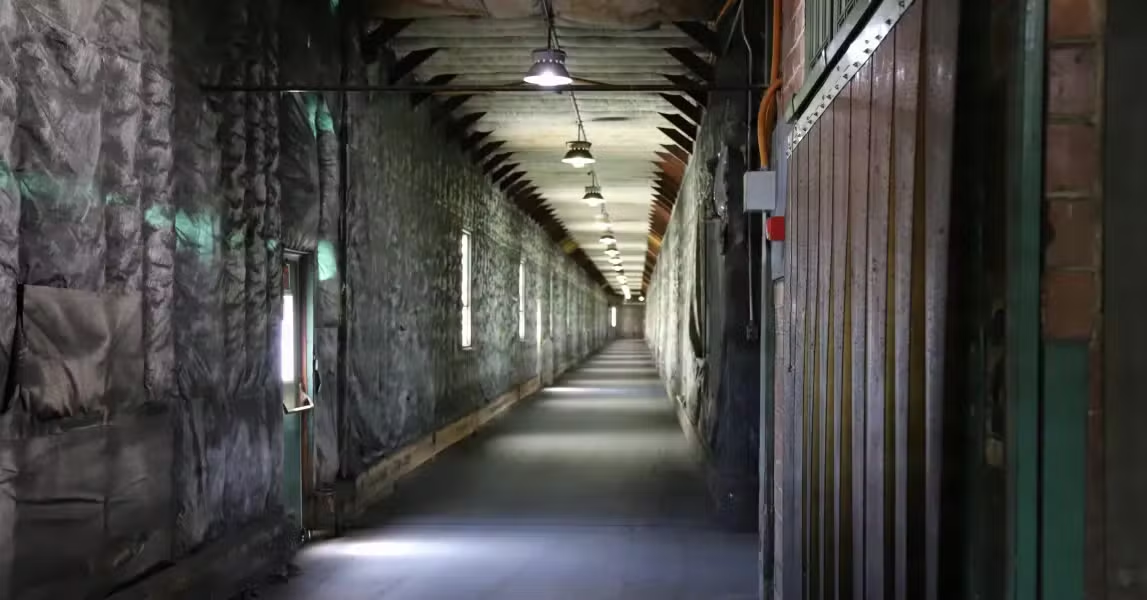
An article by Austin Campbell in The Intercept reports that the U.S. Army plans to detonate nearly five tons of unstable lead azide in a heated connector tunnel at the Iowa Army Ammunition Plant on 20 November 2026, because crystals formed during storage made it too hazardous to move, leaving in-place detonation as the Army's best option for disposal. When asked what scientific evidence supported its advice that residents hose lead dust off their property, the Army offered no studies or technical analysis, and Iowa environmental health experts say rinsing will not be sufficient, warning that washing moves lead into soil or surface water rather than eliminating it. An Environmental Protection Agency emergency permit requires the Army to notify affected communities, sample the environment before and after, clean up contamination, and report findings, while University of Iowa researcher Patrick O'Shaughnessy, who calls the Army's plume model a colored blob lacking concentration estimates, recommends testing surfaces every three or four days for about a month. The article sets the assurances against a documented history of lead contamination failures at military installations, including a 2020 Army audit finding that 73 of 83 indoor firing ranges examined had not undergone thorough lead remediation.
US army plan to detonate bomb-making chemicals has Iowa residents bracing for lead dust cloud
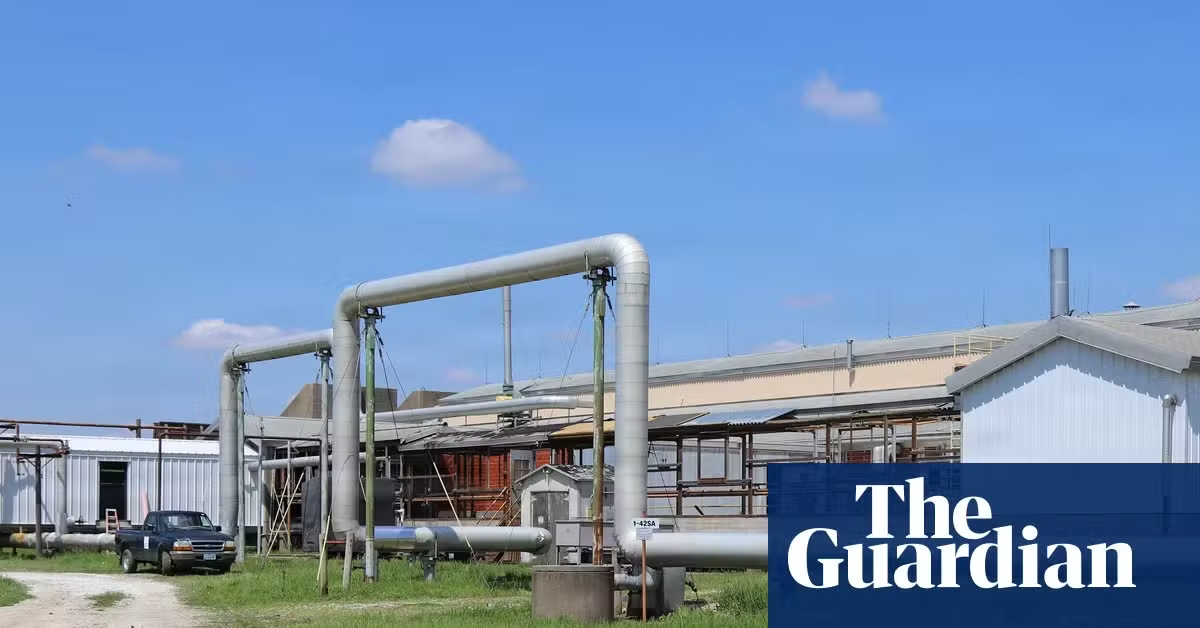
The US army plans to detonate about 5 tons of unusable bomb-making chemicals at the Iowa army ammunition plant in Middletown, Iowa, on Friday, and residents in the potential path of the resulting lead dust plume are bracing for it. The barrels of lead azide, stored for more than 20 years, crystallized after water evaporated, making them highly unstable, and the army says moving them risks accidental detonation, so the EPA approved an emergency permit on 13 November clearing the way for the blast. Officials have released maps, updated as weather changes, showing where the dust may drift, prompting some schools including the Danville district to cancel classes and Mediapolis to plan closures and hose down playgrounds, though an updated map no longer put Mediapolis in the plume. Officials advise residents near Middletown to vacate on the morning of the blast or stay inside with windows closed, and to clean surfaces afterward, while residents question whether the army's cleanup advice will be enough.

Iowa Leaders Only Got Five Days' Notice of the Army’s Plans to Explode Toxic Lead
The Army plans to blow up 68 barrels of degrading lead azide, a volatile explosive, at its ammunition plant in Middletown, Iowa, on November 20, 2026, but Iowa state leaders and nearby Illinois residents learned of the plan only days beforehand. The Defense Department and the EPA knew of the deteriorating barrels since at least April 2026, and the Army first told the 400-person town itself at a mid-October community meeting, yet the governor's office says it learned nothing until November 16, when the Army issued its first plume maps covering a region well beyond Middletown. The Illinois EPA says the regional federal EPA office permitting the explosion did not notify it, and the Army has not said publicly what it did about the barrels between April and October. Anxiety has spread because the detonation could send toxic lead dust beyond the town, schools have closed, the Army is urging residents to evacuate over shattering windows, and Iowa State's extension office is advising farmers to move livestock out of the plume's path.
Iowa residents brace for a lead dust cloud as Army plans to detonate 5 tons of bomb-making chemicals | CNN
A CNN news report covers the Army's plan to detonate about 5 tons of degraded bomb-making chemicals at the Iowa Army Ammunition Plant in Middletown, Iowa, set for the Friday after the Environmental Protection Agency approved an emergency permit on November 13. The lead azide, stored in barrels for more than 20 years, crystallized when water evaporated during a routine check, making it dangerously sensitive to shock, and officials say moving or handling the drums posed an unacceptable risk of accidental, fatal detonation, so a panel of experts drew up a two-blast detonation plan. After the Army's five-day notification, which reached communities as far as 100 miles away, maps showed the lead dust plume drifting north, leaving Mediapolis dead-center in the exposure area; the school district closed classes over 'uncontrollable variables' and the library will shut for the day. Officials say the dust should linger no more than one hour and advise residents to vacate one Middletown neighborhood or stay inside with windows shut, then wash cars and clean surfaces afterward, while water sprays and air misting aim to keep most lead on Army property. A University of Iowa professor notes it remains unknown how much lead dust will end up in the air and on surfaces, and Mediapolis officials say the biggest issue has been the lack of information.
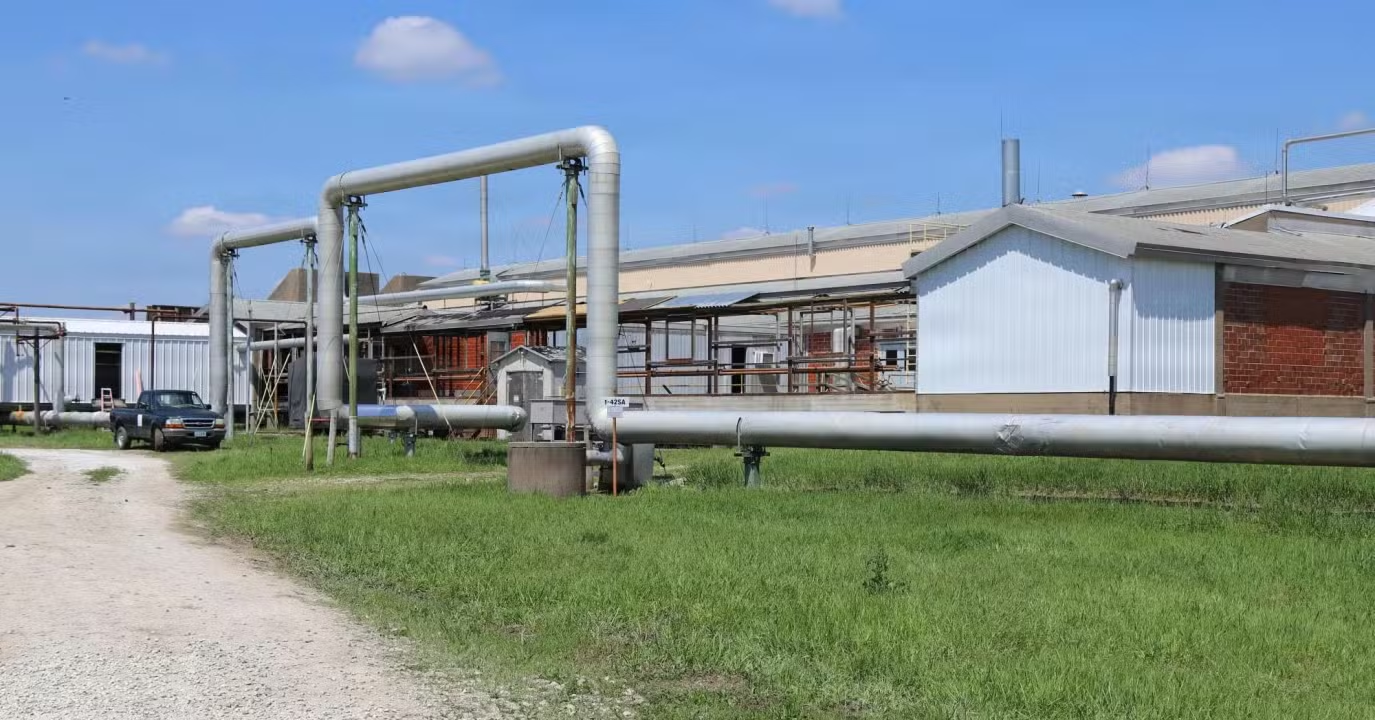
US Army delays detonation of bomb-making chemicals in Iowa amid public safety concerns
A news report by Associated Press reporters says the U.S. Army will delay Friday's planned detonation of several tons of bomb-making chemicals in southeast Iowa, pushing it to the following Monday. The delay follows an outpouring of public concern that a cloud of lead dust could cause environmental contamination and health problems. Iowa Governor Kim Reynolds had called for the detonation to be delayed as the clock ticked down on the Thursday before the planned Friday detonation at the Iowa Army Ammunition Plant in Middletown.
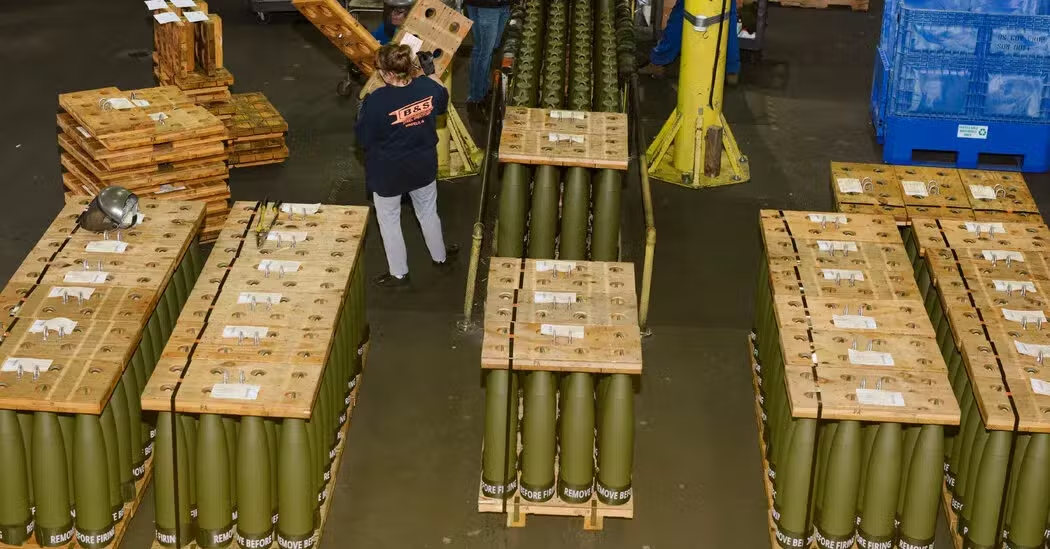
Army Warns Iowa of Toxic Cloud as It Prepares to Blow Up Old Ammo
The U.S. Army is preparing to blow up 68 barrels of degraded, unstable lead azide at the Iowa Army Ammunition Plant in Middletown, warning that the blast could send a plume of toxic lead dust up to 60 miles across southeastern Iowa, after earlier estimating 100 miles. The Environmental Protection Agency issued an emergency permit for the detonation, and the Army says destroying the stockpile in place is the only responsible option because moving it poses an unacceptable risk of accidental detonation, while its own assessment predicts no significant health impacts to the public or the environment. The plan has stirred concern: Iowa's government learned of it only days before, residents within the projected plume's path are evacuating or worrying about crops and livestock, and a University of Iowa public health professor says strong forecast winds could actually spread the dust further.
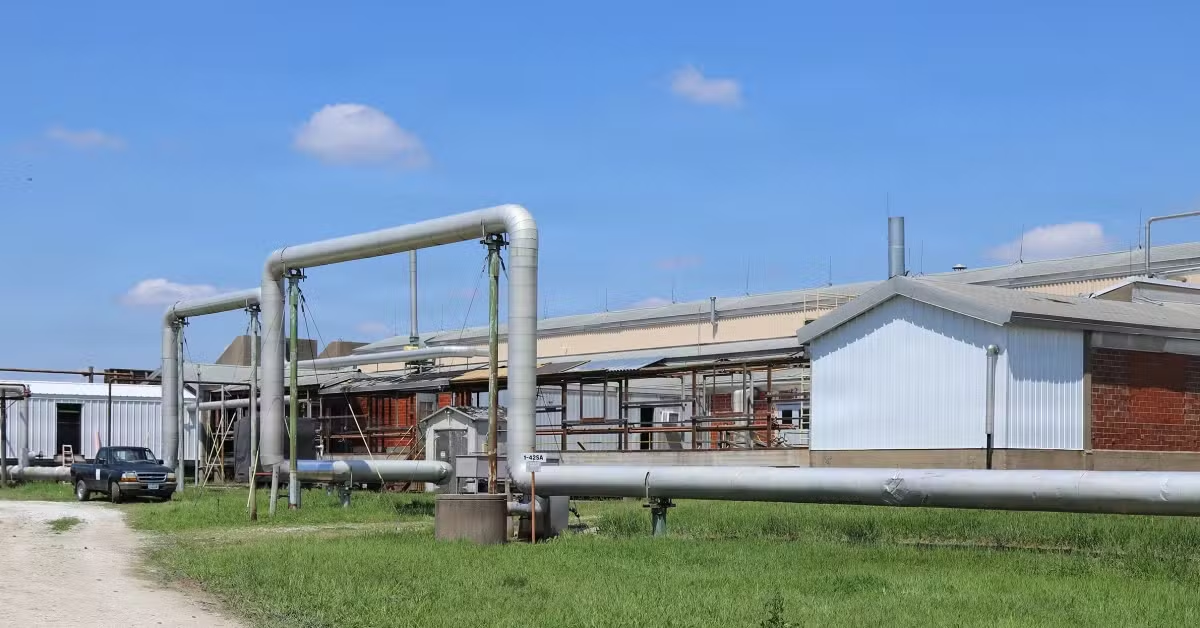
Iowa residents brace for a lead dust cloud as Army plans to detonate bomb-making chemicals
An Associated Press news report says the U.S. Army plans to detonate about 5 tons of unusable bomb-making chemicals, lead azide discovered in degraded condition in March 2026 after some of the water surrounding it evaporated, at the Iowa Army Ammunition Plant in Middletown, Iowa, on Friday, Nov. 20, 2026. Officials say moving or handling the barrels posed an unacceptable risk of accidental detonation, and the Environmental Protection Agency approved an emergency permit on Nov. 13 requiring the Army to track dust dispersion and notify the public five days in advance. Maps released ahead of the blast show potential lead dust drifting north, putting the town of Mediapolis dead-center in the exposure zone, and its school district has canceled Friday classes while the library closes and firefighters hose down playgrounds. Officials say the dust is expected to linger no more than one hour, but residents on social media question whether the Army's recommendations will be enough, and a University of Iowa professor says how much lead dust will end up in the atmosphere and on surfaces is still unknown.

Army evacuates small Iowa town ahead of detonation of lead-based explosive
The Army is evacuating Middletown, Iowa ahead of detonating a stockpile of lead azide, a common igniter explosive, that became dangerously unstable after the ethanol and water keeping it stabilized evaporated and crystals formed. Army inspectors found the problem in March after the material had sat at the plant for two decades with only annual inspections, and residents of the town learned some months ago and got a town hall in mid-October. But the rest of the region learned only on Sunday, five days before the planned detonation, that wind could carry a lead dust plume beyond the blast radius, where there is no immediate blast danger but real concern about lead exposure, which endangers young children most and could also affect crops, farm animals, and pets. Correspondent Zackary Smith, who has a 1-year-old in Iowa, says the Army has not communicated with the region, whose people learned from news and social media, and he calls its advice to spray down porches and wipe down play equipment a half measure while it updates exposure maps and monitors the weather.
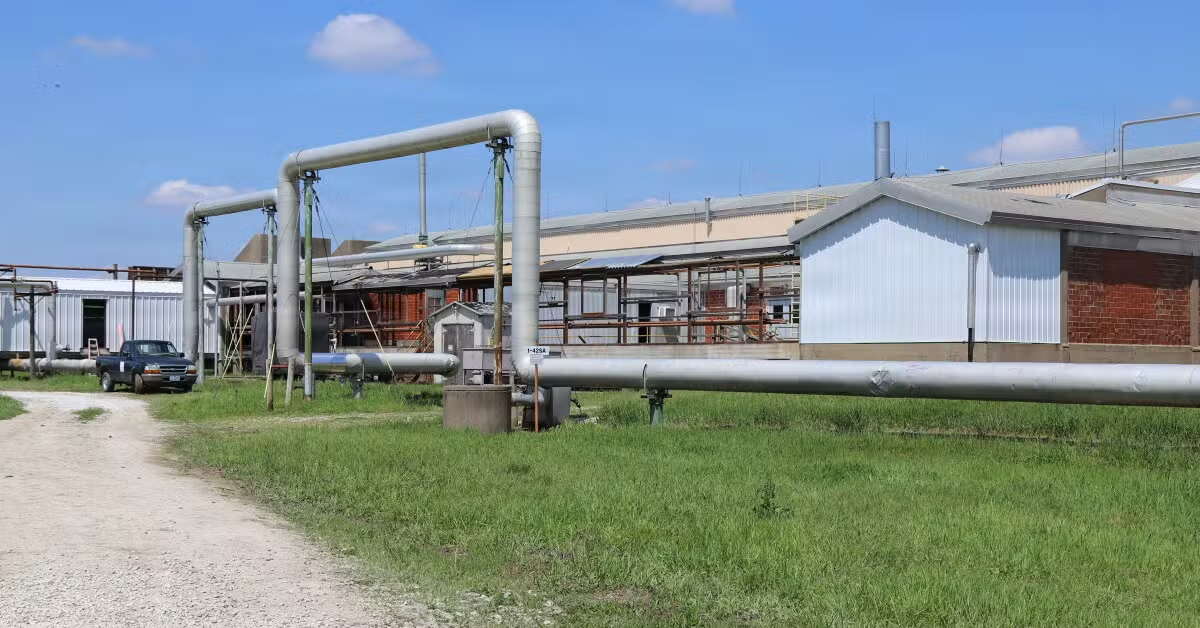
The US Army’s plans to detonate 5 tons of bomb-making chemicals is worrying Iowa residents
The US Army plans to detonate about 5 tons of unusable bomb-making chemicals at the Iowa Army Ammunition Plant in Middletown, Iowa, on November 20, 2026, a blast whose potential lead dust plume is worrying residents across southeast Iowa. The lead azide became too unstable to move after evaporated storage water let it crystallize, so officials say detonation is safer than handling the drums. Released maps show the plume could drift toward communities including Mediapolis, where some schools canceled classes and officials say they learned of their exposure only days before. The Environmental Protection Agency approved an emergency permit requiring public notice, and officials advise residents to stay indoors or leave and to wash cars and clean surfaces.

Army's planned detonation in Iowa raises concerns over lead exposure
The U.S. Army plans to detonate 68 barrels of lead azide stored for more than 20 years at the Iowa Army Ammunition Plant near Middletown, Iowa, on 20 November 2026, and residents in parts of southeastern Iowa and northwest Illinois are being warned about possible lead dust exposure. The Army says the barrels became too dry and volatile to transport safely, making an on-site detonation the safest disposal option, and officials maintain the blast's environmental impacts will be temporary and limited, with air sampling, monitoring, and cleanup planned. Its modeling shows a potential airborne lead plume extending close to 100 miles, and some schools in the plume path have already canceled classes, though the Army confirmed there are no plans to offer lead blood testing. Experts, including University of Iowa researchers conducting independent monitoring, say the Army needs to communicate its evidence faster, and toxicologist Jennifer Sample recommends the state close all schools in the plume path.
U.S. Army delays planned detonation of unstable explosives in Iowa that could send toxic dust into Illinois
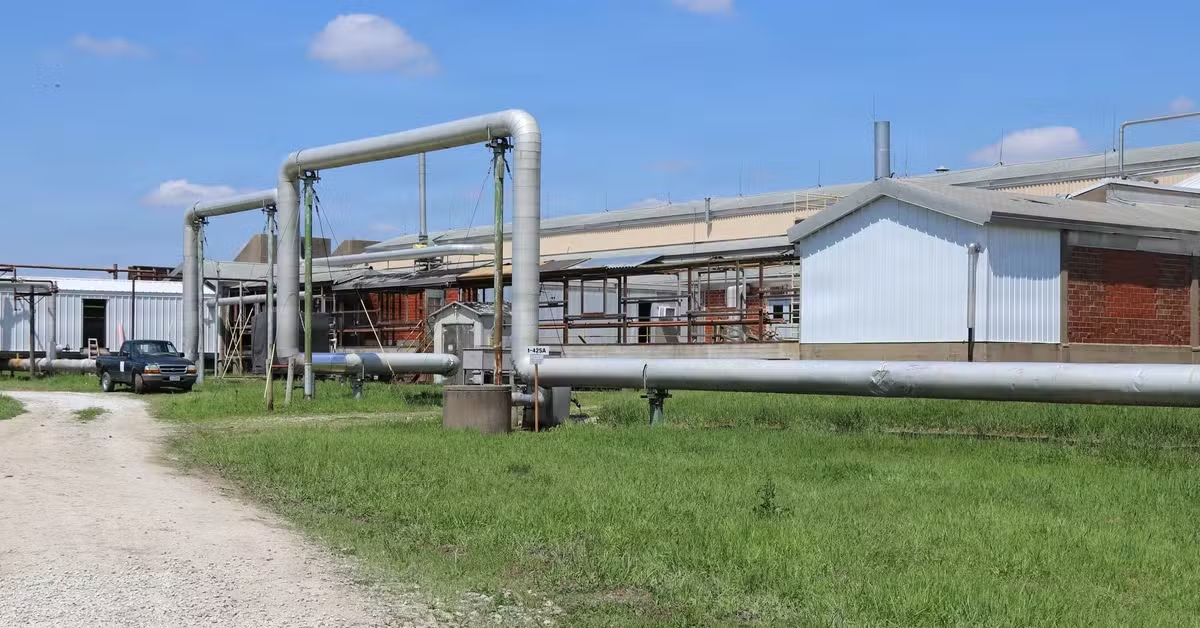
The U.S. Army has delayed a planned detonation of about 5 tons of unstable lead azide at the Iowa Army Ammunition Plant in Middletown, Iowa, which could send a plume of toxic lead dust over eastern Iowa and into northwest Illinois. Acting Secretary of the Army Adam Telle announced the postponement until Monday the evening before the detonation, saying in a post on X that public safety is the Army's top priority and that the delay pushes the operation to the latest possible moment before a forecast temperature drop that would risk further destabilizing the material. The delay came after Democratic and Republican elected officials from both states, including Illinois Gov. JB Pritzker and Sens. Dick Durbin and Tammy Duckworth, urged the Army and EPA to seek safer alternatives, and after two environmental groups represented by Earthjustice sued to block the detonation and challenge the EPA's emergency permit. The Army found the degrading explosive, kept stable for more than 20 years in a bath of ethanol and water, in March and says moving it now poses an unacceptable risk of accidental detonation, making detonation in place the safest option.

Iowa town to evacuate Friday for Army’s controlled lead detonation
A NewsNation news report says the U.S. Army has asked residents of Middletown, Iowa, a town of fewer than 400 people, to evacuate on Friday while it carries out two controlled detonations at the Iowa Army Ammunition Plant that are expected to create a lead dust plume. Residents are asked to leave the City Park neighborhood from 8 a.m. to 2 p.m. local time, partly over concerns about window damage. Justine Barati, an Army public affairs specialist, says February and March inspections found the stored lead azide, a chemical used as a primer in munitions, was no longer safe to use or even to move, so experts decided it should be detonated in place. The Army says the operation is allowed by the Environmental Protection Agency and that it will use water sprays, remove impacted soils, monitor the area and air, and offer residents shelter at the Armed Forces Reserve Center, while some residents worry about what they will return to, including broken windows and dust they would rather not stir up until it rains.
Iowans Brace For Lead Dust Cloud As Army Plans To Detonate 5 Tons Of Unstable Chemicals
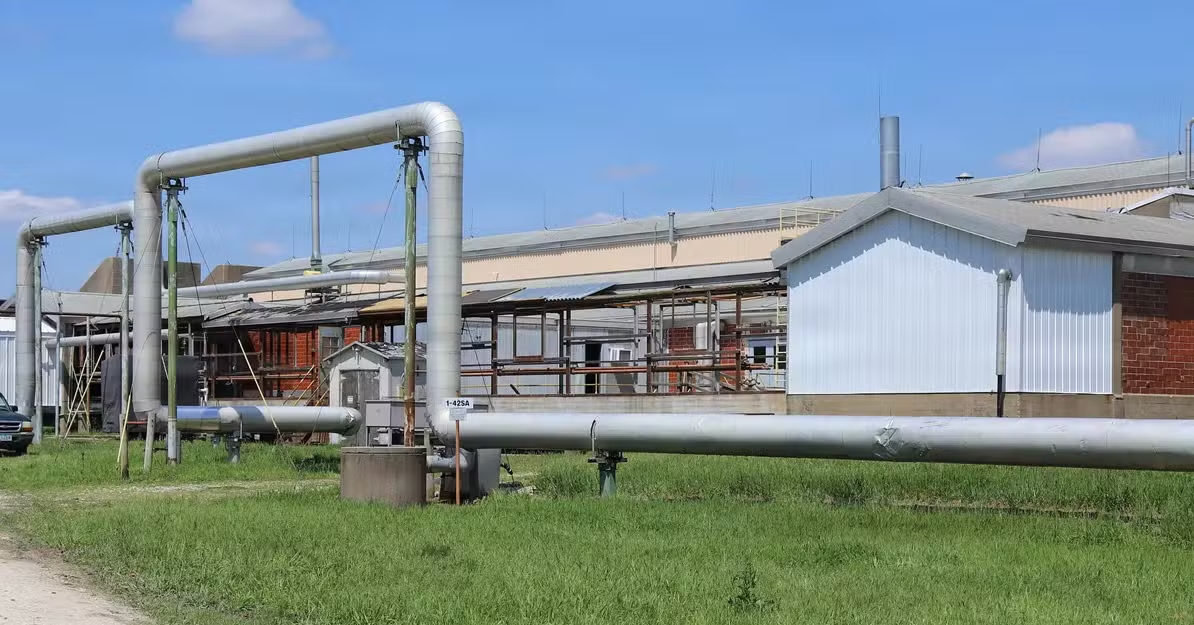
HuffPost's live-updating politics news page leads with the U.S. Army's plan to detonate about 5 tons of bomb-making chemicals that have become unstable and might explode if moved, set for Friday at the Iowa Army Ammunition Plant. Some Iowa residents worry the blast could spread a cloud of lead dust causing environmental contamination and health problems, and officials recommend some residents of nearby Middletown vacate the area or stay inside with windows and doors closed. The page's rolling updates also follow Senate Democrats' leadership contest, President Trump's return from China, and the record-setting release of 'Grand Theft Auto VI'.

