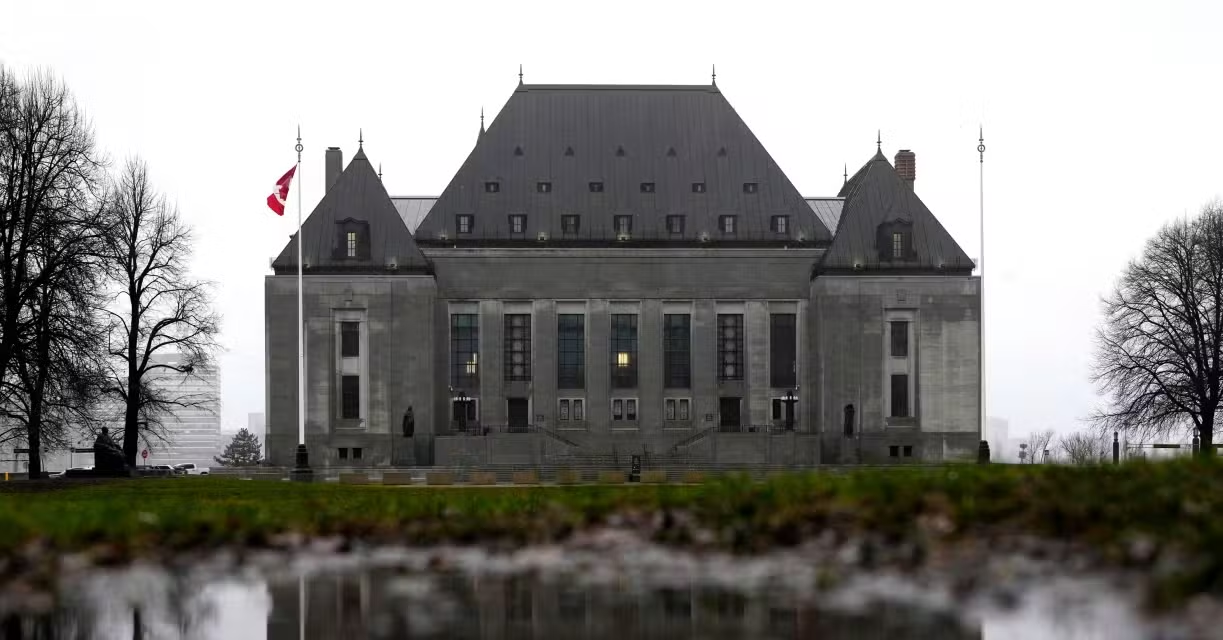
Canada’s Supreme Court Upholds Quebec’s Religious-Symbols Ban
Canada's Supreme Court on Friday largely upheld Quebec's 2019 law, Bill 21, which bars most public-sector employees from wearing religious symbols such as the hijab and the kippah while on the job, the first law of its kind in North America. The ruling followed a four-day hearing that was among the longest in the court's 151-year history, and the case stirred debate over freedom of expression and religion. Backers of the law argue that it targets no one religion and is needed to enshrine the religious neutrality of the state, or laicity, in Quebec, a province where the Catholic Church once wielded an iron grip over most aspects of life.

Canada’s top court upholds Quebec’s religious symbols ban. Bigger battles loom.
In a Politico news report, the Supreme Court of Canada ruled on 27 November 2026 to uphold most of Quebec's Bill 21, the 2019 law barring public servants such as teachers, police and lawmakers from wearing religious symbols like a hijab or a cross at work, affirming the province's use of the notwithstanding clause to shield the law from Charter challenges. The court found one section unjustifiable, the one preventing elected members of Quebec's legislature from wearing a religious face covering. The ruling was expressly limited to the Quebec case and did not address the growing use of the clause by provinces such as Alberta, Ontario and Saskatchewan, leaving those uses for future battles, with Saskatchewan Premier Scott Moe due in court in 2027 to defend a law restricting name and pronoun changes for children under 16.
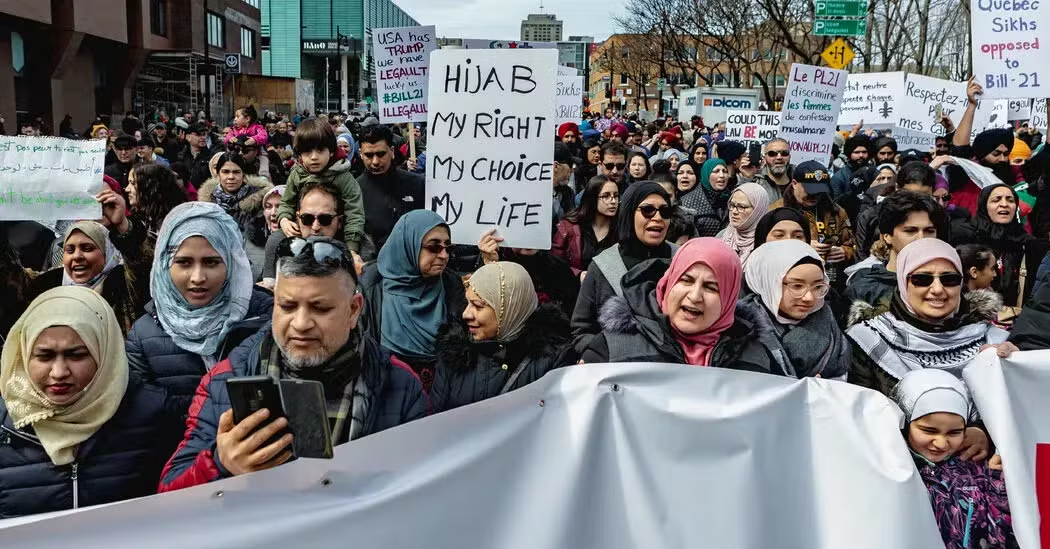
Canada’s Top Court Lets Quebec Use Controversial Measure for Secularism Law
Canada's Supreme Court has ruled that Quebec could use the Constitution's notwithstanding clause to pass its 2019 secularism law, which bars public schoolteachers, police officers, and other public workers from wearing religious symbols on duty. The court confirmed that even laws passed under the clause can still be declared by courts to violate constitutional rights, but it made no judgment on whether the law itself does. Minority groups, including the English Montreal School Board and Muslim and Sikh organizations, had sued over the law as discriminatory. The ruling comes as Quebec's newly elected separatist Parti Québécois asserts provincial authority, and as other provinces, like Alberta, Saskatchewan, and Ontario, have increasingly used the clause to shield laws from rights challenges.
Canada’s Supreme Court largely upholds a Quebec ban on religious symbols for public servants
Canada's Supreme Court largely upheld Quebec's law, known as Bill 21, banning public schoolteachers, police officers, and other public employees in positions of authority from wearing religious symbols such as Muslim headscarves, Sikh turbans, Jewish skullcaps, and Christian crosses at work. The 27 November 2026 ruling affirmed Quebec's use of the notwithstanding clause, which lets lawmakers override Charter rights including religious freedom and equality, though the override must be renewed every five years. Chief Justice Richard Wagner wrote that the law reflected Quebec's 'legitimate and historical commitment' to keeping government secular, while the court kept an exemption allowing members of the provincial legislature to cover their heads. Quebec Premier Paul St-Pierre Plamondon welcomed the ruling as 'a victory for secularism,' but critics including Prime Minister Mark Carney, who said he respects it, and Manitoba Premier Wab Kinew, who called the law 'legislated discrimination,' decried its toll on religious minorities.
Canada’s top court largely upholds Quebec’s religious symbols ban
Canada's Supreme Court has largely upheld Quebec's Bill 21, leaving in place a ban on public school teachers, police officers, and some other public employees wearing religious symbols such as hijabs, turbans, and kippahs at work. The court carved out one exception, finding that requiring elected members of Quebec's National Assembly to uncover their faces infringes their democratic rights. Quebec had shielded the 2019 law with the Charter's notwithstanding clause, and the court said politicians can use that clause without waiting for a court to rule on whether a law violates Charter rights. In a partial dissent, two justices wrote that the ban violates freedom of religion and falls most heavily on Muslim women.
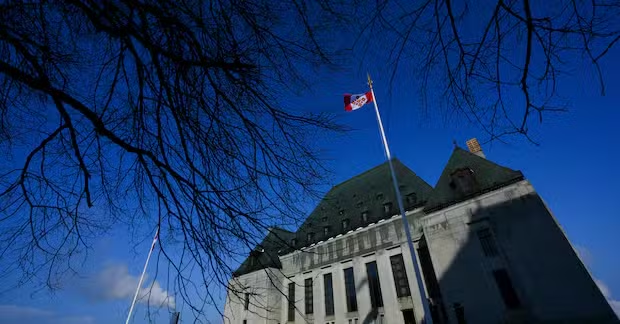
Rights groups vow to keep fighting after Supreme Court largely upholds Quebec's controversial secularism law | CBC
Canada's Supreme Court has largely upheld Quebec's Bill 21, the 2019 law barring public-sector workers in positions of authority from wearing religious symbols, and rights groups vow to keep fighting it. The court ruled that pre-emptively invoking the notwithstanding clause, which overrides the Charter, is a valid legal practice, though it did find the bill infringes democratic rights by banning elected members of Quebec's National Assembly from wearing a face covering for religious reasons. Rights groups call the ruling a major setback: Stephen Brown of the National Council of Canadian Muslims says it opens the floodgates for a full attack on Charter rights, and Howard Sapers of the Canadian Civil Liberties Association promises the broader struggle for equality and religious freedom is far from over. Premier-side voices welcomed it, with Bloc Québécois Leader Yves-François Blanchet calling it an important victory for the Quebec National Assembly, and Prime Minister Mark Carney says his government is closely studying the decision.

Canada's top court upholds Quebec religious symbols law in test of unity
Canada's Supreme Court has upheld Quebec's Bill 21, the 2019 law barring public servants such as teachers and police officers from wearing religious symbols like hijabs, turbans and yarmulkes while serving the public, and ruled that Quebec's use of an unusual constitutional provision to shield the law from challenges was allowed. The court did find that one provision infringed the rights of Quebec legislators whose beliefs require a face covering, and the government's justice minister says it is 'carefully reviewing its decision.' Rights groups say the ruling unfairly targets Muslim women and weakens protections for fundamental rights, with the National Council of Canadian Muslims calling it a license to strip Canadians of their freedoms, and Reuters reports it could complicate Prime Minister Mark Carney's efforts to unify the country amid US trade war and annexation threats.
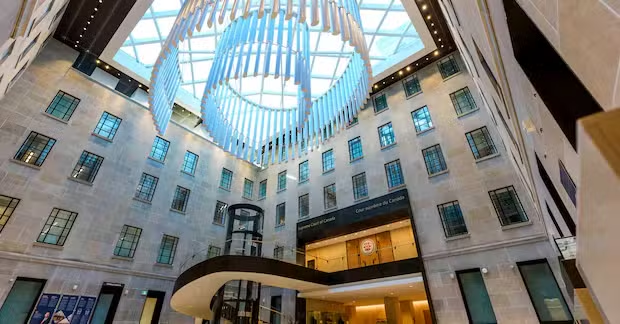
Supreme Court of Canada rules Quebec's secularism law is constitutionally valid | CBC News
The Supreme Court of Canada has upheld Quebec's secularism law, Bill 21, ruling it constitutionally valid and allowing the province to keep banning some public-sector workers from wearing religious symbols on the job, with one exception: the ban cannot apply to members of Quebec's National Assembly, because that would infringe elected officials' democratic rights. All seven justices agreed the law, adopted in 2019 and shielded by the notwithstanding clause, is constitutional, though they differed on many questions, voting 4-3 against issuing a non-binding declaration on the overridden rights at this time and dismissing by the same margin an argument that the law violated Section 28's guarantee of sex equality. Chief Justice Richard Wagner wrote that Bill 21 is rooted in Quebec's legitimate and historical commitment to ensuring the laicity of the state, while dissenting justices Karakatsanis, O'Bonsawin, and Martin argued the law's effects on Muslim women undermine substantive equality between men and women.

