
CFTC Chair Selig says crypto exchanges are lining up for the agency's new digital asset rules
Summary
- The Commodity Futures Trading Commission under Chairman Michael Selig is building a federal oversight framework for crypto trading after a comprehensive market structure bill stalled in Congress.
- The Senate failed to advance the Clarity Act, a digital asset market structure bill, on September 15, prompting the CFTC and the Securities and Exchange Commission to act with existing statutory authorities.
- The CFTC published an advance notice on October 5 seeking comment on a framework for retail crypto commodity transactions and proposed rules in October to prevent abuse in crypto markets.
- Selig says major crypto exchanges and new entrants are showing interest in opting in to the agency's rules, with some able to add spot trading to existing derivatives registrations.
- The CFTC has sued several states to defend what it views as its exclusive jurisdiction over event contracts, which it classifies as swaps.
- Crypto firms were at odds with Washington under the Biden administration, facing lawsuits from the Securities and Exchange Commission, but relations shifted after President Donald Trump's 2024 election.
Reactions
- Selig called the move a 'critical step' in ensuring the United States remains the crypto capital of the world.
- Selig said the agency will fight states up to the Supreme Court to defend its exclusive jurisdiction over prediction markets.
- Selig said he will not allow states to bring lawsuits claiming the CFTC's exchanges are unlicensed gambling.
- Selig recommended that those who commit crimes and engage in fraud be held accountable.
- Democrats' gains in the 2026 congressional elections are expected to bring greater scrutiny of crypto regulation and of Trump's crypto ties in 2027.
- Selig said Congress will do its job investigating where it needs to, including potential scrutiny of the CFTC in 2027.
Timeline newest first
On November 13, CFTC Chairman Michael Selig said major crypto exchanges and new entrants are lining up to register under the agency's newly proposed digital asset rules.
Sources newest first
- CFTC Chair Selig tells CNBC crypto industry is embracing agency rules as legislation hopes fade
CNBC's exclusive interview with CFTC Chairman Michael Selig has him saying major crypto exchanges and new entrants are lining up for the agency's federal oversight framework as hopes fade for the stalled 'Clarity Act.' The CFTC proposed rules in October to prevent abuse and codify crypto transactions, and Selig says the agency will defend its exclusive jurisdiction over prediction markets up to the Supreme Court. Its new rules could face Democratic scrutiny after the 2026 midterms.
Background newest first
 Will the CLARITY Act Pass Before the New Congress Takes Over in January?
247wallst.com· 2h
24/7 Wall St.'s crypto article examines the CLARITY Act's long odds before the current Congress ends January 3, 2027: it fell 50-49 in September against a 60-vote threshold, and Democrats take both chambers in January. Senator Cynthia Lummis insists the bill already closes the token loophole Democrats cited, while Sam Daodu judges passage unlikely, a Democratic revision more probable, and prices for XRP, Ethereum and Solana already falling.
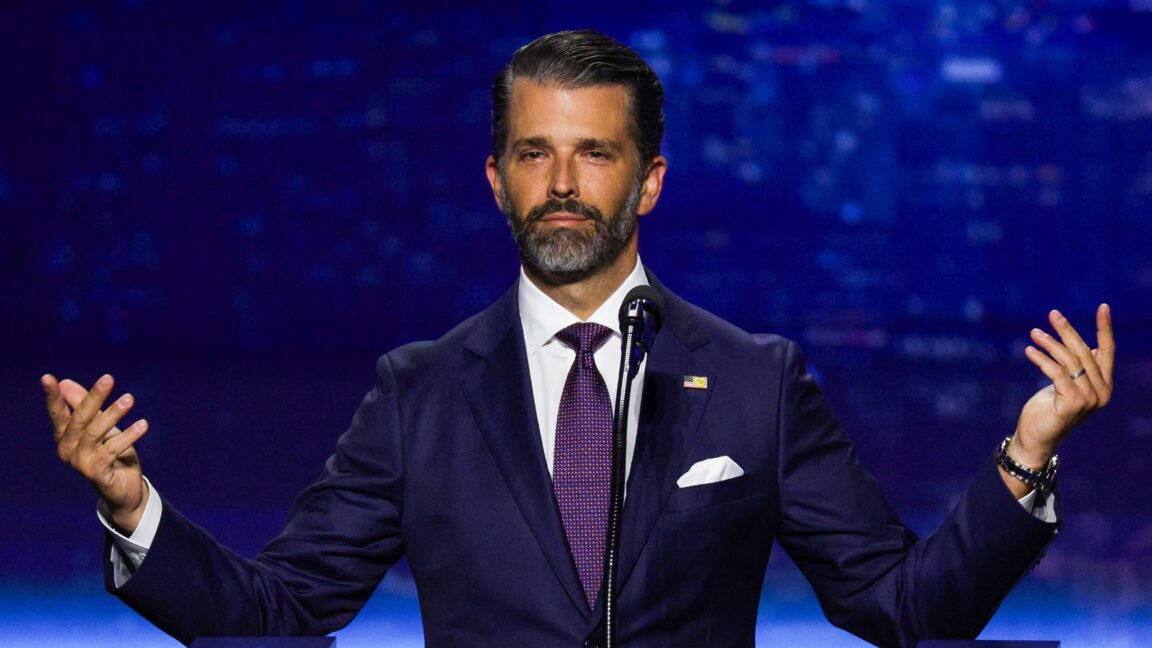 Kalshi ditches Trump Jr. as advisor; CEO admitted "optics" weren't good
arstechnica.com· 26h
Ars Technica reports that Donald Trump Jr. agreed to end his advisory role at prediction market Kalshi after his firm, 1789 Capital, invested $300 million in competitor Polymarket. CEO Tarek Mansour admitted an "optics issue," while Senators Warren and Merkley cite conflicts of interest, and the CFTC is suing states and reportedly preparing charges against Kalshi.
 Donald Trump Jr. exits advisory role at Kalshi prediction market
CNBC reports Donald Trump Jr. has left his strategic advisor role at prediction market Kalshi, which he took in January 2025, and now advises rival Polymarket while his firm 1789 Capital holds a stake in it. A Kalshi spokesperson calls the split mutual and a conflict of interest, its CEO had flagged an optics issue, and the article expects Democrats, newly in control of Congress, to crack down on the industry.
 Wall Street regulator poised to bring charges against prediction market giant Kalshi
politico.com· 4d
Politico's Declan Harty reports that the Commodity Futures Trading Commission has warned Kalshi of potentially imminent charges over whether it properly notified the agency about dozens of new products, citing a person with direct knowledge of the months-long probe. Kalshi spokesperson Elisabeth Diana calls the warning a procedural error and says the company is already addressing it.
 'Now is the time': Victorious Democrats vow to rein in prediction markets
Victorious Democrats, led by Maxine Waters' bid to chair the House Financial Services Committee and Sen. Jeff Merkley's call that "now is the time" for long-overdue legislative action, vow to rein in Kalshi and Polymarket after the platforms correctly forecast Democratic midterm wins. The companies, which face questions over insider trading and state gambling laws, say they are regulated exchanges willing to work with lawmakers.
 How Accurate Were Kalshi and Polymarket at Picking Midterm Winners?
nytimes.com· 8d
A New York Times analysis scores prediction markets like Kalshi and Polymarket against election forecasters using Brier scores across 428 midterm races, finding the markets performed no better than forecasts for most of the race but improved as Election Day neared while polling went stale. In South Carolina, bettors gave Darline Graham roughly a 70 percent chance, but she lost to Annie Andrews by about 4.4 points.
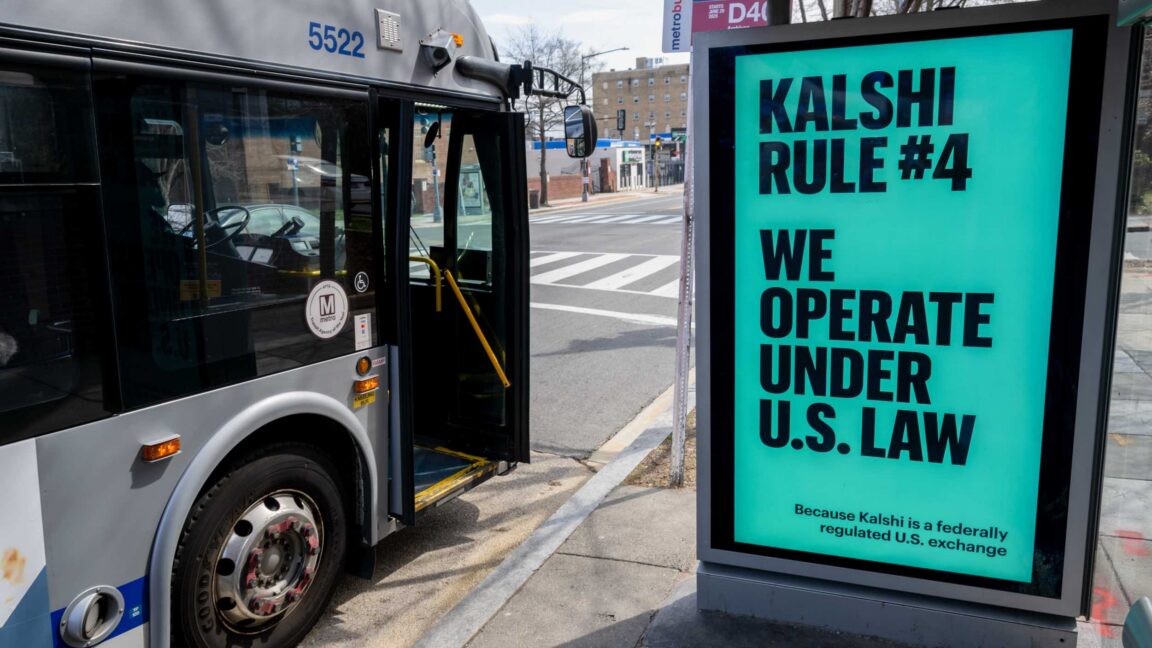 Kalshi court losses pile up as judges refuse to block state gambling laws
Jon Brodkin's Ars Technica article reports that two circuit appeals courts rejected Kalshi's bids to block state gambling laws in Connecticut, New York, and Nevada, while the prediction market faces a new Arkansas lawsuit from Attorney General Tim Griffin. Kalshi claims its wagers are CFTC-regulated swaps, a view the Trump administration backs, and Ars Technica writes the Supreme Court may ultimately settle whether states can enforce gambling laws against it.
 Are prediction markets accurate on elections? The US midterms are a big test
theguardian.com· 11d
A Guardian feature asks whether prediction markets really forecast elections better than polls, as their proponents claim. It recounts misses in Brazil, Serbia, Wisconsin, Los Angeles and New York, alongside research suggesting accuracy rests on a small minority of skilled traders rather than the crowd, and calls the 2026 US midterms their biggest test yet.
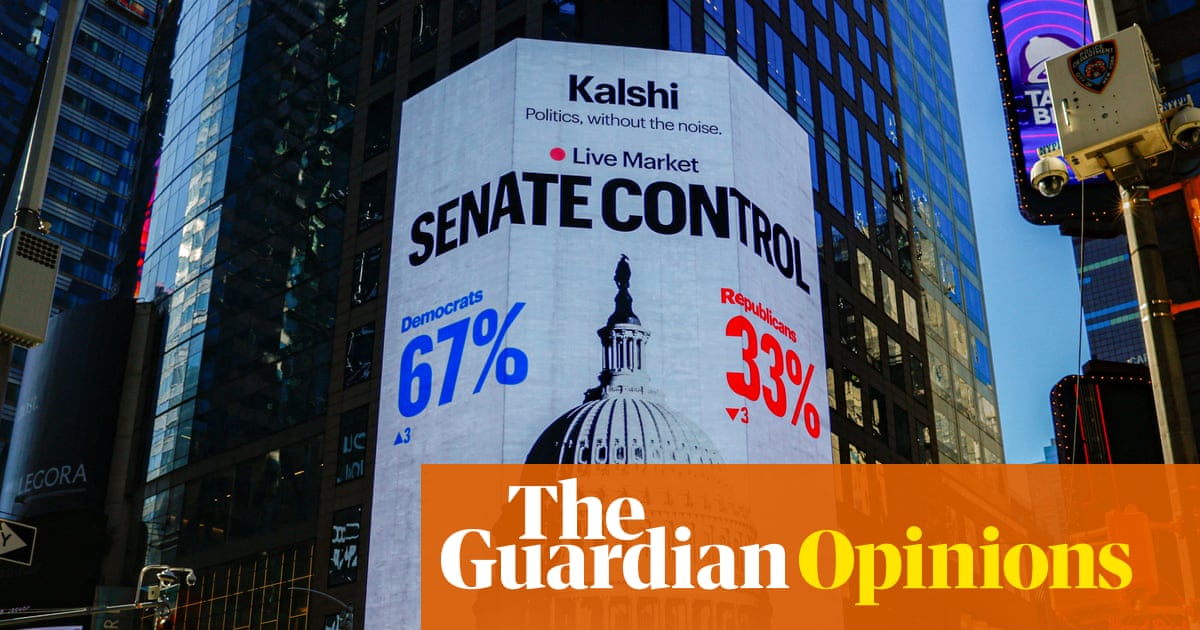 Prediction market bettors are the new political pundits. Why are we listening to them? | Judith Levine
Judith Levine argues in a Guardian opinion piece that prediction markets like Kalshi and Polymarket pose as populist wisdom of the crowd but are steered by a few skilled elites, with studies finding most casual traders lose while a tiny minority takes the profits, and she recommends banning them. She cites election betting's Tammany Hall roots, George Santos's $18,000 State of the Union wager, Donald Trump Jr's advisory role at Kalshi, growing fraud investigations, and warns the platforms' valuations may be a bubble under a Trump-friendly regulator.
 Prediction Markets Face Their Biggest Accuracy Test Yet: The Midterms
A New York Times article by Stuart A. Thompson says prediction markets like Polymarket and Kalshi are courting scrutiny and betting volume ahead of the 2026 midterms, which they hope will prove their accuracy after misses in Brazil's election and the Los Angeles mayoral primary. Experts split over whether the odds surpass polls, with some citing studies of their calibration and others saying they mostly echo polls and online gamblers' beliefs.
 Kalshi and its co-founders face felony charges for violating Utah gambling laws
Utah's attorney general filed criminal charges against prediction-market Kalshi and its co-founders — 13 felony counts and a misdemeanor each over sports bets — weeks after Utah won a federal ruling letting it enforce its gambling ban. Kalshi calls the charges a political overreach, the CFTC is suing Utah to stop it, and a likely Supreme Court fight looms.
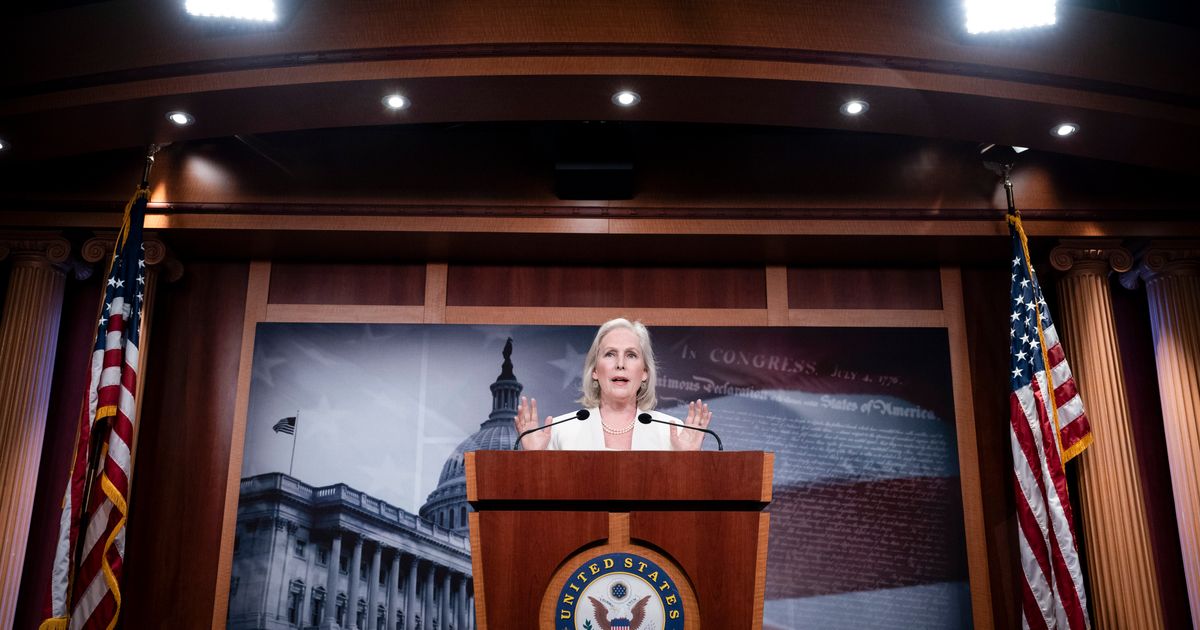 Kirsten Gillibrand, Crypto’s Favorite Democrat
nymag.com· 4w
New York magazine's Intelligencer profiles Kirsten Gillibrand as the Democratic Party's leading champion of crypto, tracing her path from securities lawyer to progressive star to lead sponsor of the 2025 GENIUS Act on stablecoins. The article describes her campaign coffers stuffed with crypto money, former aides rotating between her office and the industry, and an ethical morass extending to her son's crypto start-up and a former staffer's bitcoin trades a week before she announced crypto legislation.
New York sues prediction market Polymarket, calling it an unlicensed gambling operation
apnews.com· 7w
New York sued prediction market Polymarket on September 24, 2026, calling it an unlicensed gambling operation and asking a judge to block it in the state, with fines and restitution to users. Governor Kathy Hochul said the platform put New Yorkers at risk, while Polymarket's chief legal officer said it will fight for its users and is staying in New York; the state has similarly sued Kalshi, Coinbase and Gemini, and the platforms argue federal regulators, not states, govern them.
 House sidelines controversial veterans benefits bill
POLITICO's Inside Congress newsletter reports House Republicans abruptly pulled the Take Care of America's Veterans Act on July 16 after narrowly defeating, 211-210, a Democratic motion to recommit, with Speaker Mike Johnson blaming misinformation and saying the bill, whose centerpiece is the Major Richard Star Act, will be delayed for several weeks. The newsletter also covers Todd Blanche's meeting with Jeffrey Epstein's survivors, the House Budget Committee's party-line $95 billion budget resolution, stalled talks on the Clarity Act crypto bill, the Gillibrand-Boozman paid leave bill, and Senate briefings on Anthropic's Mythos model.
Home
reason.com· 8y
Reason's homepage rounds up coverage of the 2026 midterms, where Democrats won the Senate, Colorado voters approved higher taxes, and Houston voters restricted marijuana arrests and no-knock police raids, alongside items on Stephen Miller as Trump's chief of staff and a federal judge ordering Iowa officials to approve The Satanic Temple's capitol holiday display. Columnists add that Jacob Sullum argues Miller will reinforce Trump's worst instincts, and Robby Soave recommends the administration do more for the young white men who voted for Trump.
 Home Page
pymnts.com· 12y
PYMNTS' Home Page lists the site's news headlines, studies, trackers, clips, and events. Its items span AI's push into commerce and finance — credit card limits up $115 billion, OpenAI's $10 billion revenue and $1.25 trillion valuation, Alphabet's $500 billion market value loss — alongside regulatory moves from New York's AI fines to Illinois' buy now, pay later law, Karen Webster's columns on agentic commerce, and studies on cash flow and consumer borrowing.
